

Recipe

Sourdough Rolls Perfected: The Secret to Airy Rolls with a Crisp Crust (Whole Grain)

Total time24 hours
Active time45 min
10 rolls

Ingredients

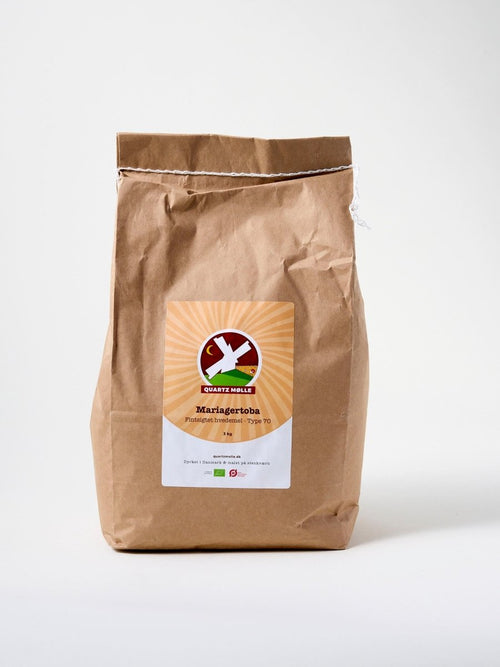
  • 350 g wheat flour, ideally a strong bread flour like Mariagertoba
  • 150 g whole grain flour, e.g. purple wheat or Øland wheat
  • 380 g water, room temperature, about 25°C
  • 100 g active sourdough starter, bubbly and at its peak
  • 12 g fine sea salt

For rolling, optional

  • sesame seeds, sunflower seeds or rolled oats

Method

Tap a step when it is done.

Autolyse

  1. Combine the water, flour and starter in a stand mixer, and run it on the lowest speed for 10 minutes. Cover and let the dough rest for 15 to 30 minutes.

Salt and kneading

  1. Add the salt and mix on low speed for 8 minutes. For the last 2 minutes, turn to maximum until the dough pulls away from the bowl and is smooth and slightly shiny.

  2. Move the dough to a lightly oiled container and let it rest for 15 minutes.

Bulk fermentation

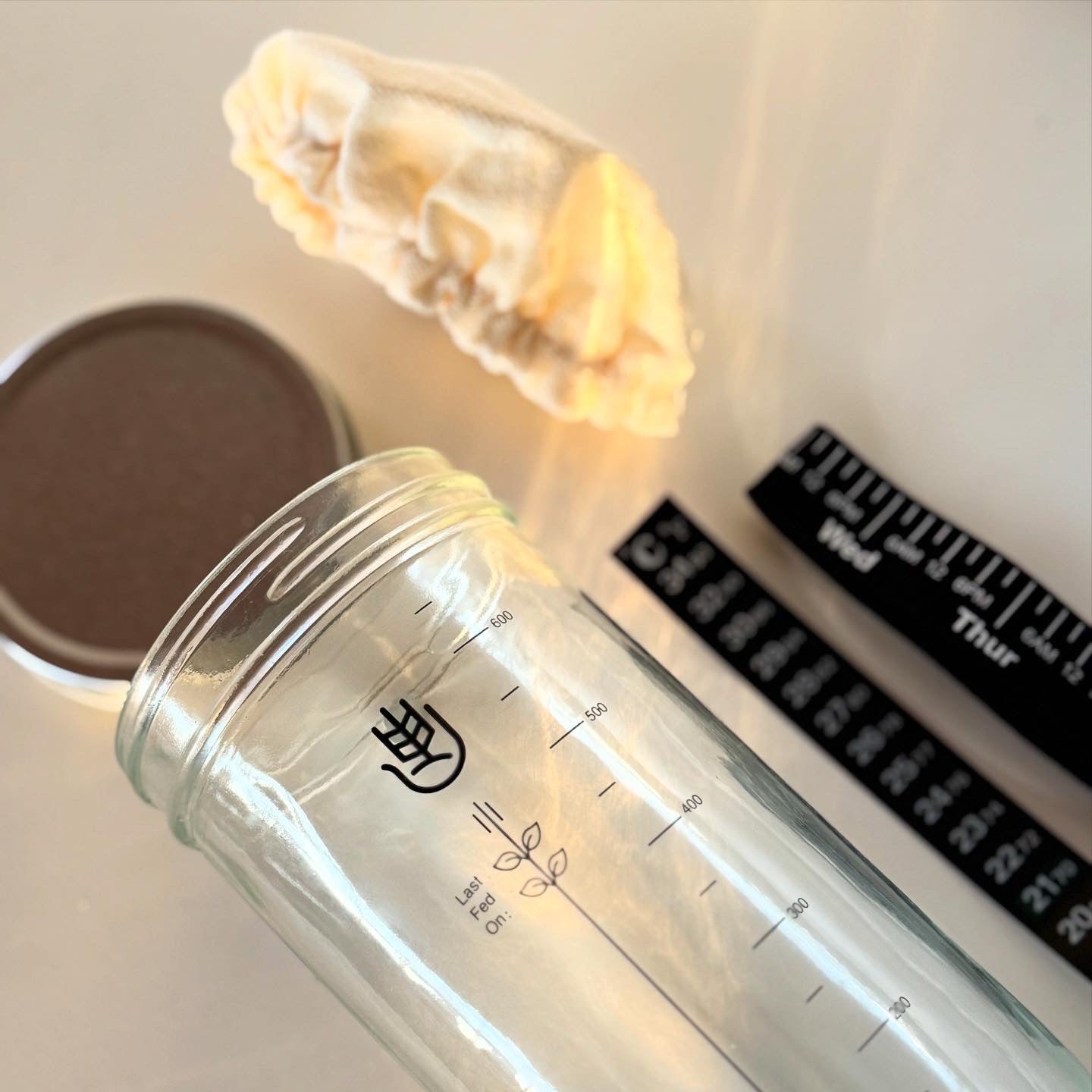
  1. Let the dough rise at room temperature until roughly doubled, usually 4 to 6 hours at 22 to 24°C. Use a small glass of dough with a rubber band to follow the rise.

  2. Refrigerate the dough at 2 to 5°C overnight. To bake the same day, chill it for 30 to 60 minutes before shaping.

Shaping and baking

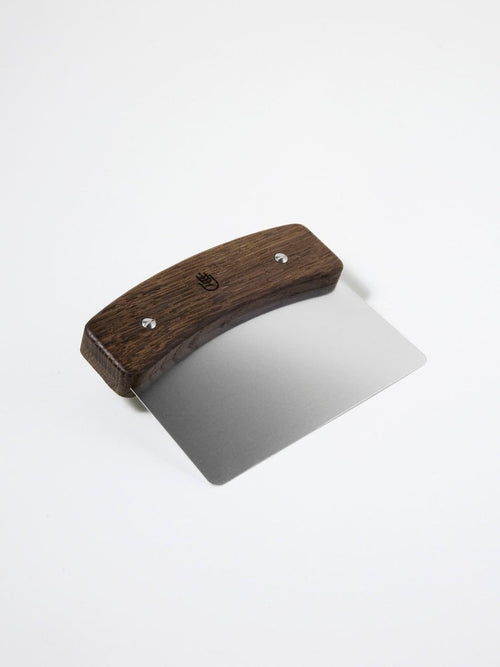
  1. Turn the dough out onto a lightly floured surface and divide it into pieces with a bench knife. For seeds, dip the rolls lightly in water and roll them in the seeds.

  2. Preheat the oven to 240 to 260°C with a baking sheet or baking steel inside for at least 30 to 45 minutes.

  3. Bake the rolls for 12 minutes, with steam for the first 5 to 6 minutes. A shorter bake gives a lighter crust, a longer bake a darker one.

  4. Let them cool on a rack for at least 15 to 20 minutes.

Makes 8 to 10 rolls, depending on size. Hydration is 78 percent. With Mariagertoba or another strong flour you can go up to 85 to 90 percent. Cold fermented dough is easier to shape and has more flavour. From Peter's Sourdough Book.

Questions and answers

How do I get big holes in the rolls?

Big holes come from a wet dough, a strong gluten network and a good rise. Knead until the dough pulls away from the bowl and is shiny. Let it rise until roughly doubled. Handle it gently when you divide it, so the air stays in the dough. With a strong flour like Mariagertoba you can also add more water.

Should the dough rest before the rolls are baked?

No. Divide the dough straight from the fridge and bake the rolls at once. Cold dough is easier to divide and holds its shape better in the oven.

Can I make a double batch?

Yes. Use the buttons on the recipe to scale the amounts. The rise time is the same, but a large dough can take a little longer to cool in the fridge.

The dough sticks to the container. How do I get it out?

Grease the container lightly with oil and turn the dough out onto a floured counter. Run a dough scraper along the edge and let gravity do the rest. Wet hands help too.

Which whole grain flour should I use?

Purple wheat or Øland wheat gives the best crumb. Rye flour works too, but the rolls get denser and darker.

Should I use a fan oven or a conventional oven?

Both work. Dry rolls come more often from baking too long than from the fan. The steam in the first 5 to 6 minutes and the short bake of about 12 minutes keep them moist. A fan gives a more even colour if you bake several trays at once.

Why do you fold bread but not rolls?

A loaf has to hold its shape in the oven, so it needs a strong gluten network. The folding builds it. These rolls are kneaded well in the mixer, and they are small, so they do not need the extra strength.

Why is the recipe different from the video?

The video is an older version. The recipe here is our updated version from Peter's sourdough book, and it is the one we bake from today. Follow the recipe, and use the video to see how the dough should look and feel.

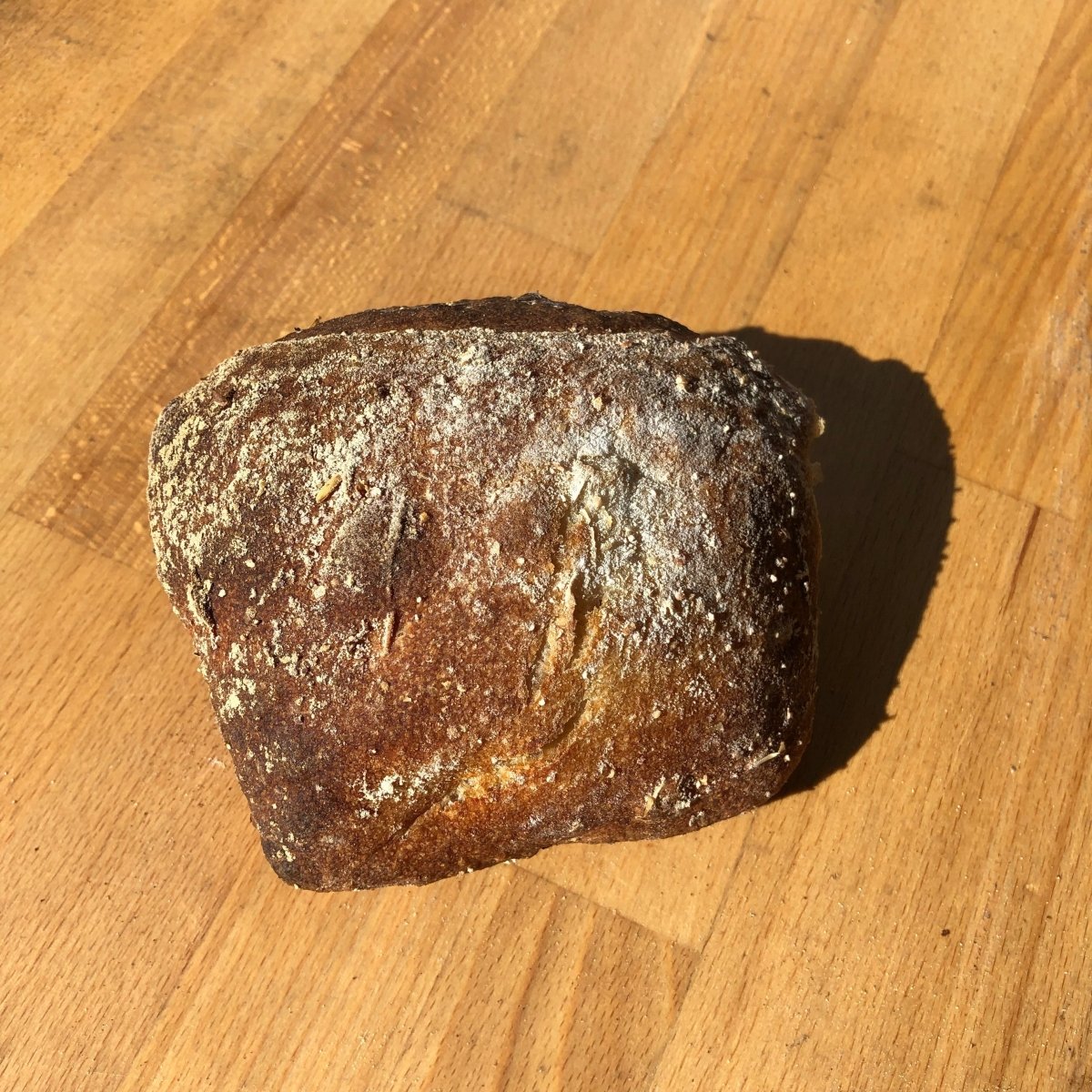
For three years, we baked sourdough rolls daily at a boarding school before opening our bakery. This hands-on experience gave us invaluable insight into working with highly hydrated dough and led to experimentation with unconventional ingredients. Now, we're sharing our secrets to perfect sourdough rolls, combining a thin, almost glassy crust with a soft, airy interior.

Watch our video for tips and tricks on baking sourdough rolls, including demonstrations of various techniques.


The Secret to Perfect Sourdough Rolls

For us, the perfect sourdough roll is all about the contrast between the crisp, almost glassy crust and the soft, airy crumb. We achieve this by combining the right flour blend, high hydration, and precise technique.

Flour Blend and Hydration

If you want to incorporate more whole grain flour, we recommend using a strong base flour, such as “Mariagertoba link”. This strong flour allows us to add our preferred whole grains while maintaining the desired crust and crumb. Remember that different flours absorb different amounts of water depending on the milling process and grain quality. In this recipe, we start with 78% hydration. If you are using high-quality flour, you can easily increase the hydration. We have often made sourdough rolls with 100% hydration, which is easily achievable if you use more whole grain in your recipe as well.
Tips and Tricks for Sourdough Rolls

  • High Hydration: Don't be afraid to experiment with higher hydration, especially if you are using more whole grain flour.
  • Strong Flour: Using a strong flour as a base is key if you want to add whole grain flour and still achieve a good crust.
  • Steam: Steam is essential for a crisp crust.

Frequently Asked Questions (FAQ) about Sourdough Rolls

  • How do I know if my sourdough starter is ready? An active starter is bubbly, smells tangy, and rises predictably.
  • What if my dough is too sticky? This is normal with a high-hydration dough. Use plenty of flour on your work surface when shaping the rolls.
  • Can I freeze the dough? Yes, you can freeze the dough after the first rise (bulk fermentation).

Conclusion

With a little practice and these tips, you can bake amazing sourdough rolls that will impress family and friends. Experiment with different flours and hydration levels to find your own favorite combination. Happy baking!

3 comments

    • Inger
    • March 7, 2026 at 10:39 am

    Hej
    Skønne, nemme opskrifter, tak!!
    Jeg har t et parspørgsmål:
    1: når du bager boller, er du så med varmluft hele vejen igennem? Jeg synes jeg har læst at brødet bliver tørt hvis man benytter varmluft? Men måske kan det lade sig gøre på grund af dampen? Og skal den slet ikke lukkes ud?
    2: hvorfor skal der foldes, når der bages brød, når det ikke er nødvendigt ved bagning af boller?.
    Kan man ikke bare gøre det som med bolledejen og blot vende bøtten ud, og bage dejen til et brød i stedet for boller?
    Mvh. Inger
    Gilleleje

    • Christine
    • October 18, 2025 at 12:27 am

    Hi, your recipe and instructions and the video do not match.

    • Regitze Videbæk
    • April 29, 2025 at 5:28 pm

    Hvorfor er der lidt forskel på opskriften til boller/stykker i den trykte på siden og den på videoen, det er lidt forvirrende, hvilken er bedst ?

Leave a comment

This site is protected by hCaptcha and the hCaptcha Privacy Policy and Terms of Service apply.

Seneste nyheder

View all

Do You Need a Proofing Basket? (And Which One to Choose)

Do You Need a Proofing Basket? (And Which One to Choose)

When you start baking sourdough, you can get away with a bowl lined with a floured cloth. But once you've used a proper proofing basket, a banneton, it's hard to go back. In short First basketRound OvalFor batards and sandwich...

Read moreabout Do You Need a Proofing Basket? (And Which One to Choose)

What's the Best Knife for Sourdough Bread?

What's the Best Knife for Sourdough Bread?

You've baked the perfect sourdough loaf. Crunchy crust, open crumb, smells incredible. And then you try to cut it with the wrong knife, and it squashes flat. In short LengthAt least 25 cm BladeDeep serrations WaitAt least 1 hour after...

Read moreabout What's the Best Knife for Sourdough Bread?

What is Autolyse? The Simple Technique That Changes Everything

What is Autolyse? The Simple Technique That Changes Everything

If you've been baking sourdough for a while, you've probably come across the word autolyse. It sounds like something from a chemistry textbook. It isn't. It's one of the simplest, most impactful things you can do in bread baking, and...

Read moreabout What is Autolyse? The Simple Technique That Changes Everything