
Recipe

Hearty & Wholesome: 100% Whole Grain Sourdough Rye Bread

Total time36 hours
Active time20 min
1 loaf

Ingredients

Day 1, soaker

  • 50 g flaxseed
  • 50 g sunflower seeds
  • 50 g sesame seeds
  • 150 g cracked or chopped rye kernels
  • 175 g water
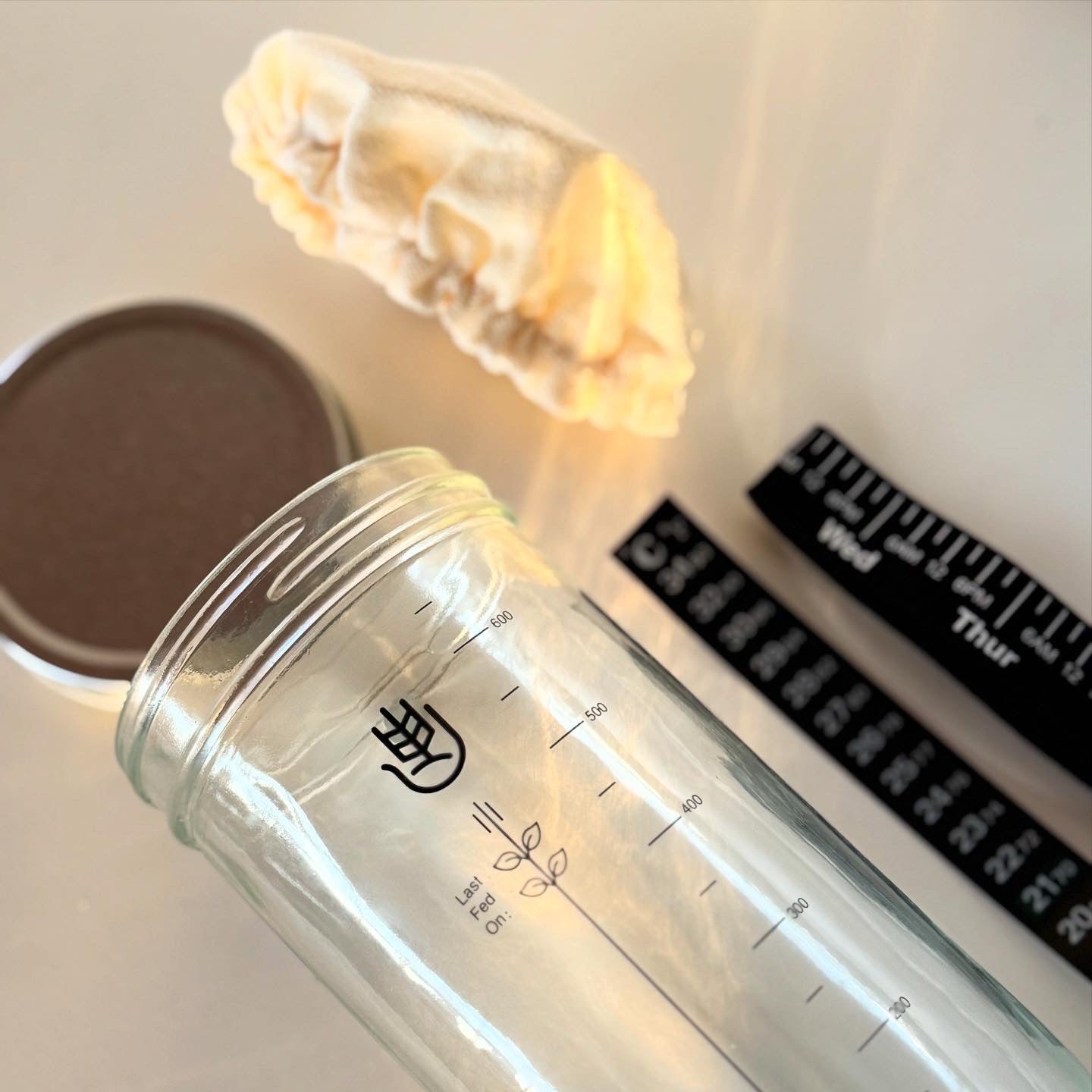
  • 100 g sourdough, sour and active, ideally over a day old

Day 2, dough

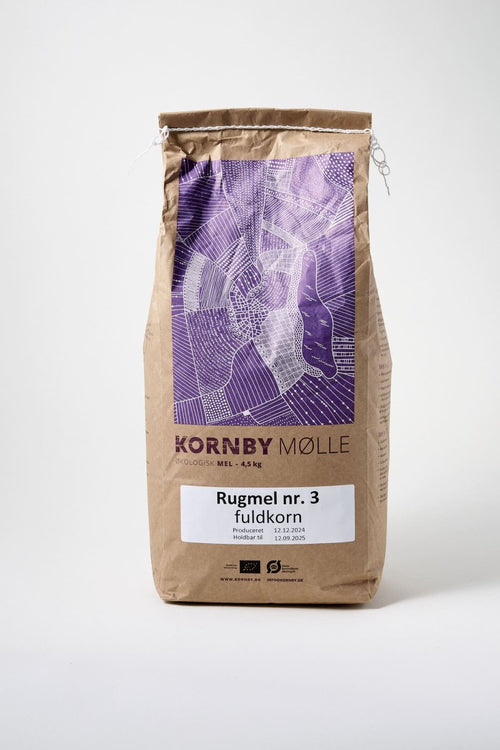
  • 150 g whole grain rye flour
  • 150 g water
  • 15 g salt
  • 1 tbsp malt syrup, or 2 tbsp dark syrup
  • 100 g sourdough

Method

Tap a step when it is done.

Day 1

  1. Mix all the soaker ingredients and cover with a cloth. Leave at room temperature for at least 8 hours, ideally a whole day.

Day 2

  1. Stir the soaker and the new ingredients together into a thick, grainy dough. There is no gluten to build, just stir until everything is combined.

  2. Put the dough in a greased rye bread pan and smooth the top with a dough scraper. Cover and let it rise at room temperature until the surface shows clear cracks and stretch marks, usually 8 to 12 hours.

Baking

  1. Bake at 165°C for 60 to 75 minutes, until the core reaches 98°C.

  2. Let it cool completely on a rack before slicing.

You do not need a rye starter. A wheat starter that has stood for over a day and smells sharply sour is ideal. Rye bread slices better and tastes better 1 to 2 days after baking. From Peter's Sourdough Book.

Questions and answers

How long can the soaker stay at room temperature?

At least 8 hours and ideally a full day. The starter in the soaker makes it sour, so it keeps well for 24 hours at room temperature.

The core temperature does not reach 98°C. Should I turn up the heat?

No, bake longer instead. Many ovens show the wrong temperature, so check with an oven thermometer. Keep going at 165°C until the core is 98°C, even if it takes 90 minutes. If the crust gets too dark, put a piece of foil over it.

Can I use whole rye kernels?

Yes. Boil them for 5 minutes and let them cool in the water. Drain them and use them whole, or chop them roughly. You can also crack them in a blender or coffee grinder for a few seconds.

Do I need a rye starter?

No. A wheat starter that has stood for a day and smells sharply sour works fine.

What we use

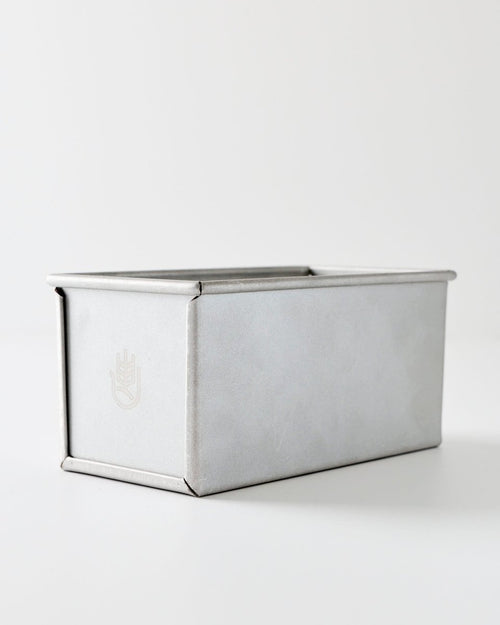
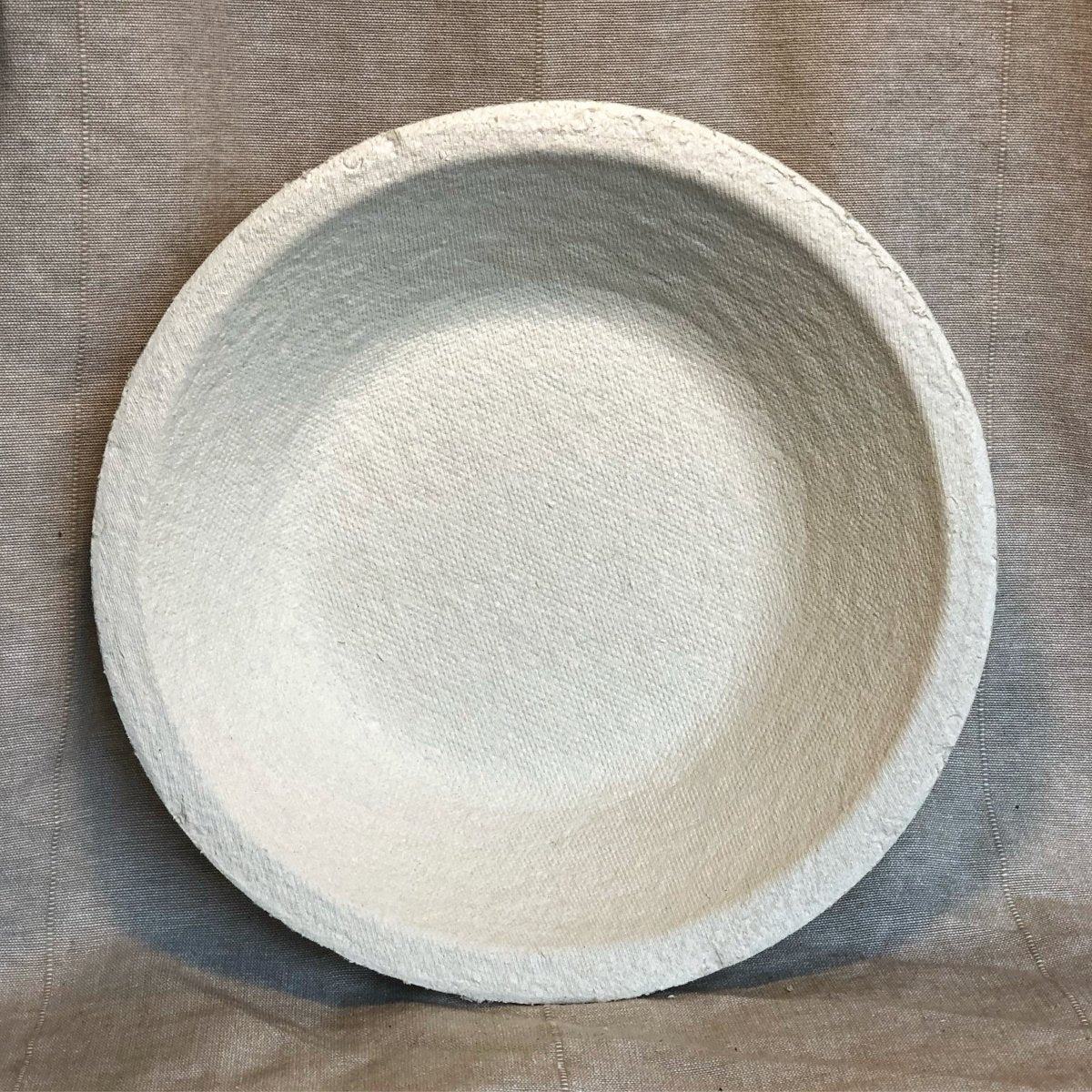
Bread Pan Bread Pan 219.00 DKK
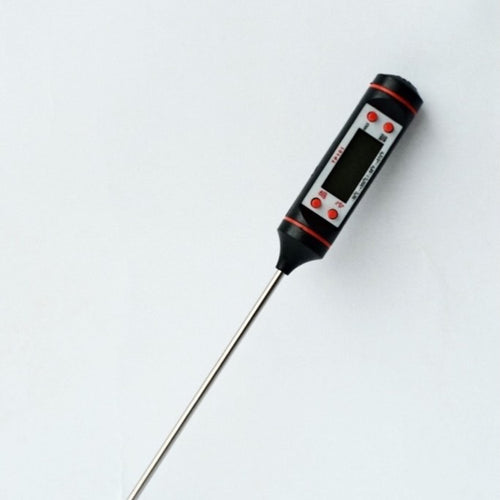
Bread Thermometer Bread Thermometer 155.00 DKK
Dough Scraper Dough Scraper 25.00 DKK

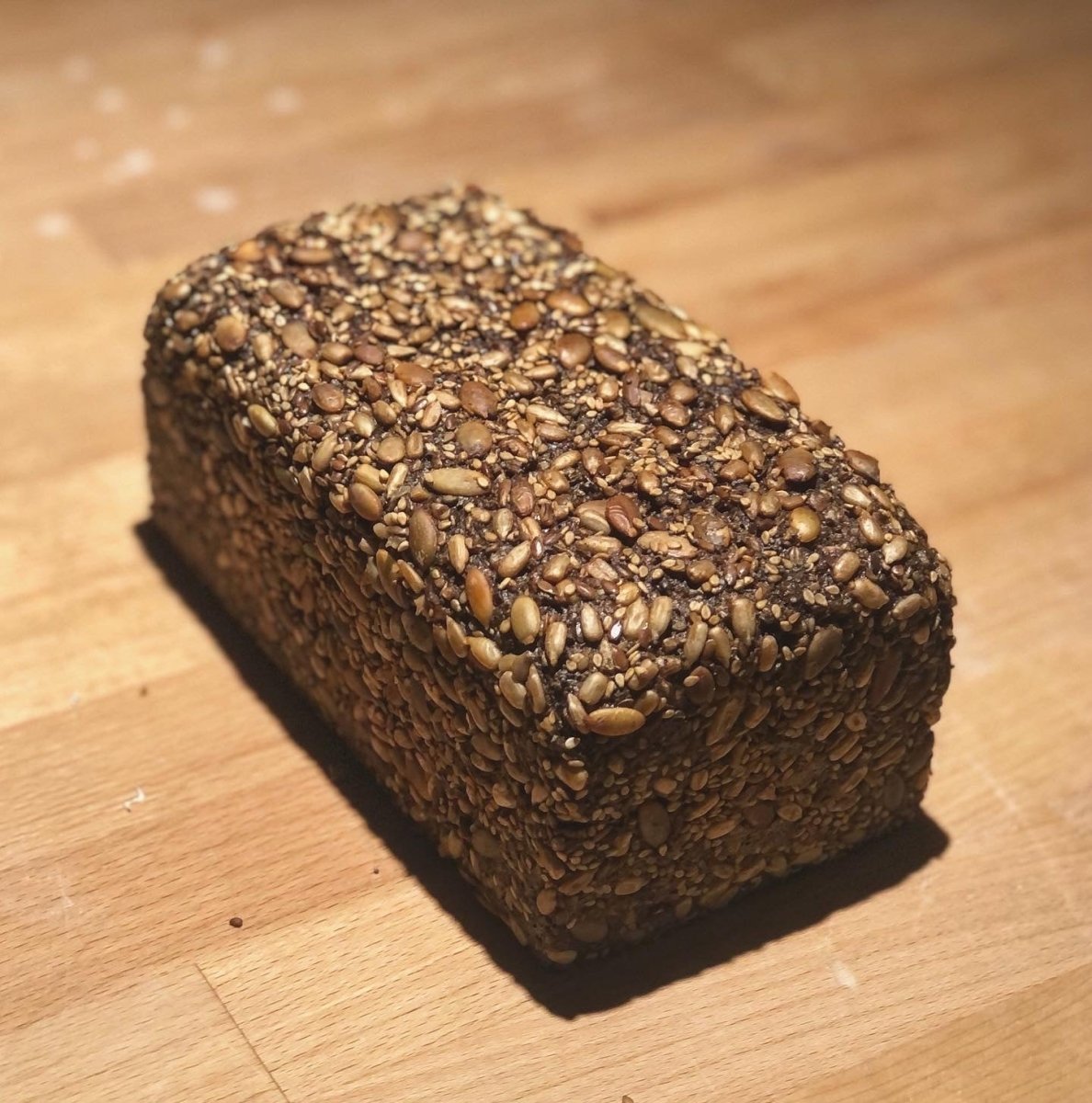
Danish rye bread, a deeply ingrained part of Danish culinary tradition, is known for its heartiness and nutritional value. Inspired by this classic, we've created our own unique take: a 100% whole grain sourdough rye bread packed with seeds and kernels, offering a taste and texture unlike anything you'll typically find in Denmark.

Our Take on a Classic

We wanted to honor the tradition of Danish rye bread while adding our own twist. This recipe results in a deeply flavorful, satisfying loaf that's both healthy and delicious.

100% Whole Grain Goodness

This recipe uses only whole grain rye flour, maximizing the nutritional benefits and creating a rich, complex flavor. The addition of flaxseeds, sunflower seeds, sesame seeds, and cracked rye grains further enhances the texture and nutritional profile.

Sourdough Magic

The slow fermentation process with sourdough gives this rye bread its distinctive tang and improves its digestibility. We'll guide you through the sourdough process, including how to maintain your starter for future bakes.

Tips for Perfect Rye Bread

  • Cooling is Key: Rye bread is often easier to slice a day after baking. Allow it to cool completely.
  • Internal Temperature: Using a thermometer ensures the bread is fully cooked.
  • Starter Care: Regularly feeding your starter will keep it healthy and active.

Serving Suggestions

Enjoy your first slice with a thick layer of butter! Rye bread is also delicious with cheese, smoked fish, or as part of an open-faced sandwich.

Frequently Asked Questions

Q: Why is my rye bread dense?

A: Rye bread is naturally denser than wheat bread. However, ensure your starter is active and the bread has risen sufficiently.

Q: How do I store rye bread?

A: Store it in a sealed bag at room temperature or in the refrigerator.

Q: Can I freeze rye bread?

A: Yes, you can freeze rye bread for longer storage.

Conclusion

Baking your own whole grain sourdough rye bread is a rewarding experience. This recipe provides a delicious and nutritious loaf that will become
6 comments

    • MamaD
    • March 25, 2026 at 2:38 am

    Karin- I’ve made this recipe twice and it came out FANTASTIC both times. I am also in the U.S. and used a coffee grinder for about 5-10 seconds to break up the rye berries. I soaked everything for about 12-15 hours (overnight). I did find that the rye starter was exactly enough for the recipe tho, and didn’t have extra to save for next time. But I don’t mind making that rye starter each time I make this recipe. Sliced it thin and put in a freezer bag to enjoy as desired. Thanks for the easy recipe!!

    • Leif Horup
    • February 26, 2026 at 2:56 pm

    Hi,
    Your bread looks delicious and I shall try making one.
    I usually make thebreadshebakes but I shall try yours next time.
    Regards
    Leif

    • Rebecca Toubøl
    • February 10, 2026 at 9:19 am

    Hi Karin
    You can definately use whole ones. I would boil them for 5 min and let them stay in the water til it’s cooled down, then drain the water away. If you want you can use them whole or you can cut them a bit with a knife.

    • Karin
    • February 8, 2026 at 11:30 pm

    Can I use whole rye kernels? Ilive in the US and itis very hard to find cracked ones

    • H.J.
    • December 15, 2025 at 7:10 am

    The baking temperature for the rye loaf is too low to successfully raise the core temperature of my attempt at Danish rye. I have to bake at 400 – 410 F. What am I doing wrong?

Leave a comment

This site is protected by hCaptcha and the hCaptcha Privacy Policy and Terms of Service apply.

Seneste nyheder

View all

Do You Need a Proofing Basket? (And Which One to Choose)

Do You Need a Proofing Basket? (And Which One to Choose)

When you start baking sourdough, you can get away with a bowl lined with a floured cloth. But once you've used a proper proofing basket, a banneton, it's hard to go back. In short First basketRound OvalFor batards and sandwich...

Read moreabout Do You Need a Proofing Basket? (And Which One to Choose)

What's the Best Knife for Sourdough Bread?

What's the Best Knife for Sourdough Bread?

You've baked the perfect sourdough loaf. Crunchy crust, open crumb, smells incredible. And then you try to cut it with the wrong knife, and it squashes flat. In short LengthAt least 25 cm BladeDeep serrations WaitAt least 1 hour after...

Read moreabout What's the Best Knife for Sourdough Bread?

What is Autolyse? The Simple Technique That Changes Everything

What is Autolyse? The Simple Technique That Changes Everything

If you've been baking sourdough for a while, you've probably come across the word autolyse. It sounds like something from a chemistry textbook. It isn't. It's one of the simplest, most impactful things you can do in bread baking, and...

Read moreabout What is Autolyse? The Simple Technique That Changes Everything