


Sourdough pizza is everything a pizza should be — crispy on the outside, airy on the inside, and with that deep, complex flavour you just can't get from commercial yeast. Once you've eaten it, supermarket pizza starts to feel like a distant, disappointing memory.

The secret isn't technique. It's time. And a lively starter.

Why Sourdough Makes Better Pizza

Sourdough pizza on a baking steel

Commercial yeast works fast — too fast. It inflates the dough in a couple of hours, but there's no time for flavour to develop. Sourdough works slowly, and that slowness is everything. The long fermentation breaks down starches, develops organic acids, and creates a complexity that fast yeast simply cannot replicate.

The result is a crust with bite, flavour and structure. And because the fermentation pre-digests much of the gluten and starch, many people find sourdough pizza easier to digest too.

Ingredients

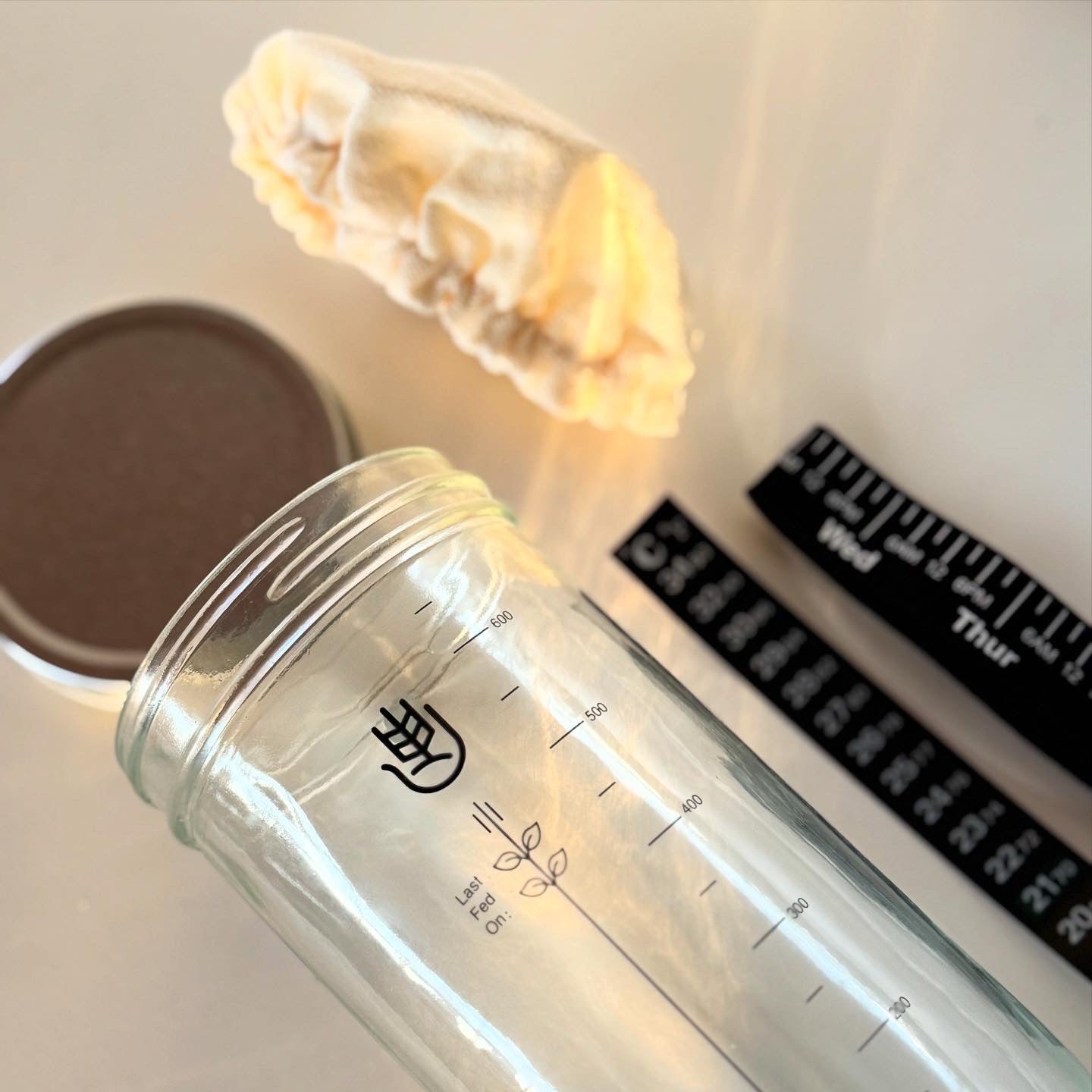
  • 150g active sourdough starter (fed 4–8 hours before use) — if you don't have one yet, our live sourdough starter is ready to bake with after just one feeding
  • 400g strong bread flour
  • 270g water (room temperature)
  • 10g salt
  • 10g olive oil

This makes 3 pizza bases — roughly 30cm each. Scale up freely.

Method

Day 1 — Mix & Cold Ferment

Start by combining the flour and water in a large bowl. Mix until no dry flour remains, then cover and leave to rest for 30 minutes. This is the autolyse — the flour absorbs the water, gluten begins to form, and the dough becomes much easier to work with. Read our full guide to autolyse here.

After resting, add the starter, salt and olive oil. Mix thoroughly — the dough will feel slightly sticky and that's exactly right. Perform 4 sets of stretch-and-folds over the next 2 hours: grab one side of the dough, stretch it up and fold it over to the other side. Rotate the bowl 90 degrees and repeat. Do this 4 times per set.

After the final fold, divide the dough into 3 equal balls. Place each in a lightly oiled container, cover tightly and refrigerate for 24 to 72 hours. The longer you leave it, the more flavour develops — 48 hours is a great sweet spot.

Day 2 — Shape & Bake

Remove the dough from the fridge at least 2 hours before baking. Cold dough is tight and resistant — it needs time to relax before you can shape it properly.

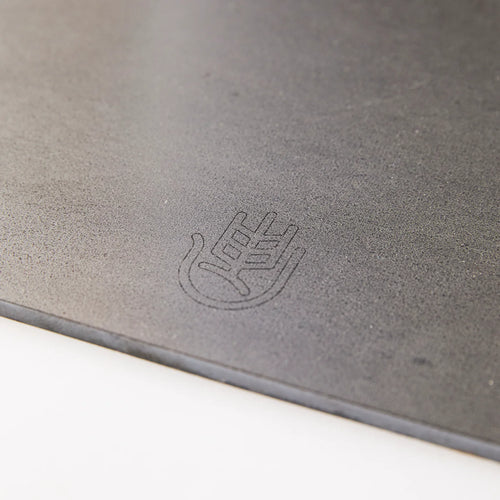
Preheat your oven to its maximum temperature — most home ovens go to 250–275°C. Place a baking steel on the top rack and let it heat for at least 45 minutes. The steel is the single biggest upgrade you can make to your home pizza setup. It stores far more heat than a pizza stone and transfers it instantly to the base of the pizza — that's how you get the crispy, charred bottom you see in proper pizzerias. If you want the full setup, our Baking Steel & Pizza Peel set gives you everything you need in one go.

When the dough has relaxed, flour your hands and the work surface generously. Take one dough ball and press it out gently from the centre with your fingertips, rotating as you go. Don't use a rolling pin — it pushes out all the air bubbles you've spent two days developing. When it's roughly the size you want, you can drape it over your knuckles and stretch it gently.

Transfer to a piece of baking parchment, add your toppings (less is more), and slide directly onto the hot baking steel. Bake for 6–8 minutes. The edges should be puffed and charred in spots, the base should be crispy and dark underneath.

The Toppings Question

Sourdough pizza slider

Keep it simple. A great sourdough crust deserves to be tasted — don't bury it under mountains of toppings. San Marzano tomatoes, good mozzarella, a little fresh basil after baking. Or just olive oil, garlic and rosemary. The crust is the point.

What if I Don't Have a Baking Steel?

You can use a heavy baking tray turned upside down and preheated in the oven. It won't be quite as good, but it's a solid start. If you bake pizza more than a few times a year, a baking steel will pay for itself in better results almost immediately.

Start the dough tonight. You'll be eating the best pizza you've made at home by this time tomorrow.

— Peter, Simpel Surdej

Latest Stories

View all

What is Autolyse? The Simple Technique That Changes Everything

If you've been baking sourdough for a while, you've probably come across the word autolyse. It sounds like something from a chemistry textbook. It isn't. It's one of the simplest, most impactful things you can do in bread baking —...

Read moreabout What is Autolyse? The Simple Technique That Changes Everything

How to Remove Rust from Your Baking Steel - SIMPEL - sourdough & coffee

How to Remove Rust from Your Baking Steel

A baking steel is a must-have tool for baking crusty sourdough bread at home. But what happens when rust appears on its surface? Rust can develop if the steel isn’t dried properly after cleaning or is exposed to moisture over...

Read moreabout How to Remove Rust from Your Baking Steel

How to convert a liquid sourdough into a dry starter (Pasta Madre / Lievito Madre) - SIMPEL - sourdough & coffee

How to convert a liquid sourdough into a dry starter (Pasta Madre / Lievito Madre)

Learn how to convert your liquid sourdough to Pasta Madre for authentic Panettone! Our guide covers flour choices, hydration, and feeding ratios. Get the recipe!

Read moreabout How to convert a liquid sourdough into a dry starter (Pasta Madre / Lievito Madre)