
Recipe

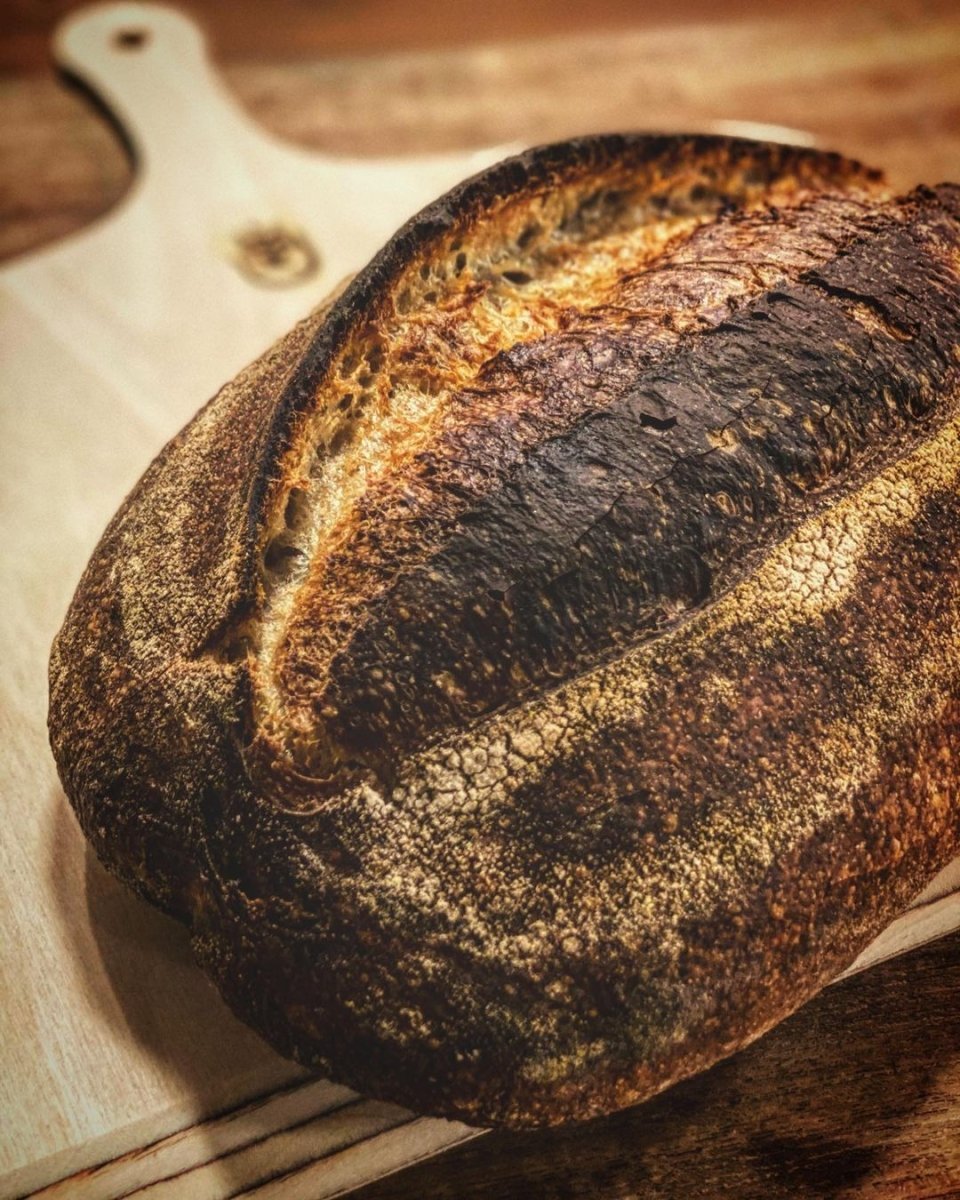
A Beginner's Guide to Sourdough Bread Recipe

Total time24 hours
Active time45 min
1 loaf

Ingredients

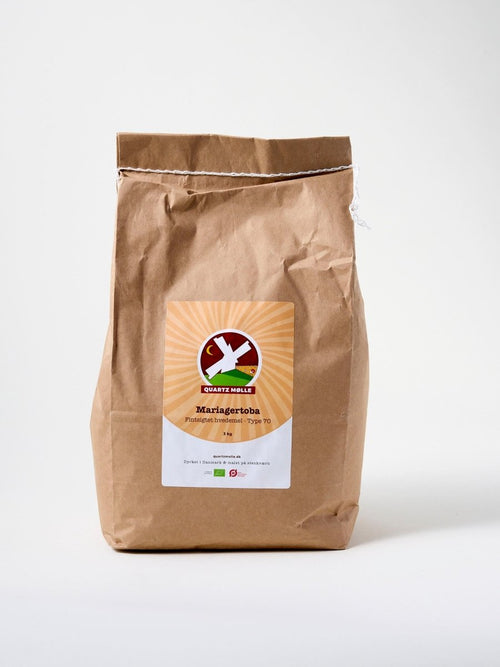
  • 450 g wheat flour, ideally a strong bread flour like Mariagertoba
  • 50 g whole grain flour, e.g. purple wheat or Øland wheat
  • 375 g water, temperature adjusted to the season
  • 100 g active sourdough starter, bubbly and at its peak
  • 10 g fine sea salt

Method

Tap a step when it is done.

Autolyse

  1. Mix the flour, water and starter until evenly combined. Cover and let the dough rest for 20 to 30 minutes.

Salt and kneading

  1. Add the salt and knead until the dough is smooth and cohesive. Start slowly, and speed up a little towards the end, until the dough pulls away from the bowl. Go by how the dough looks, not the clock.

  2. Move the dough to a lightly oiled container and let it rest for 15 minutes.

Bulk fermentation

  1. Let the dough rise at room temperature until roughly doubled, usually 4 to 6 hours at 22 to 24°C. Put a little dough in a glass next to it, and mark the level with a rubber band.

  2. During the first 2 hours, do 3 to 4 sets of stretch and fold, 30 minutes apart.

Shaping

  1. Turn the dough out onto a lightly floured surface, fold the edges into the middle, and flip it seam side down. Let it rest uncovered for 20 to 30 minutes.

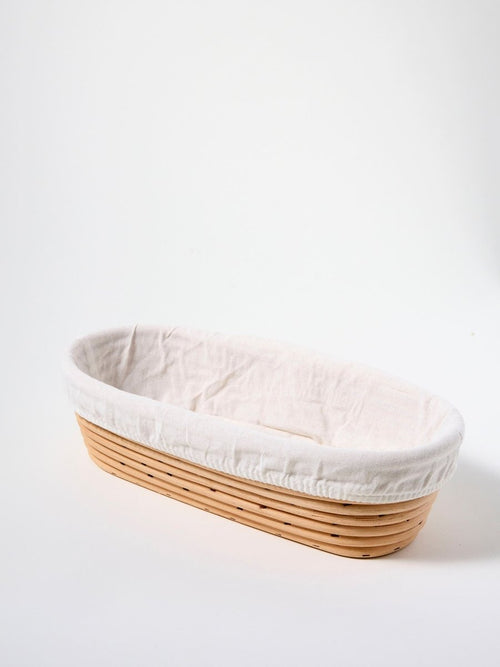
  2. Shape it into an oval with a tight surface, and place it seam side up in a floured proofing basket. Cover it and refrigerate at 2 to 5°C overnight.

Baking

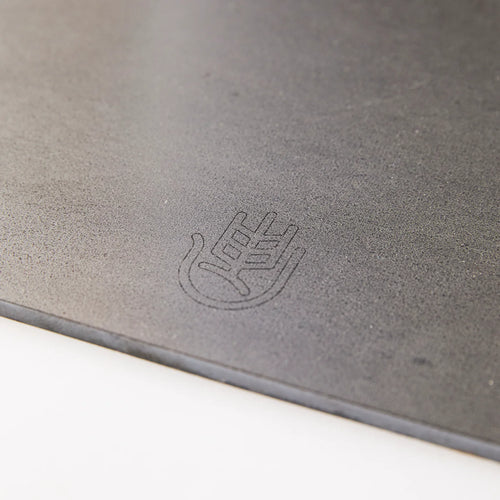
  1. Preheat the oven to 250°C for at least 45 to 60 minutes with a Dutch oven, baking steel or baking stone inside.

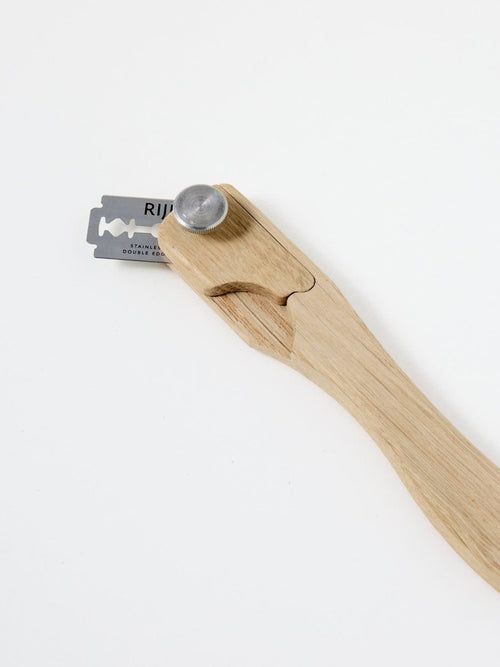
  2. Turn the loaf out onto parchment and score it with a bread lame at a flat 45 degree angle, in one confident stroke. Put it in the oven at once.

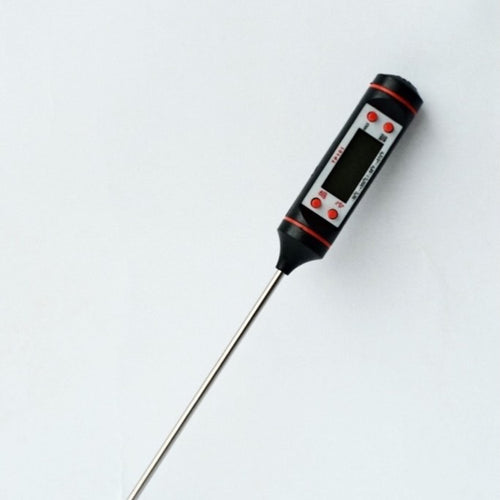
  3. Bake for 20 minutes with the lid on or with steam. Remove the lid and bake for another 20 to 25 minutes, until the crust is dark and caramelised. The core should reach 96 to 98°C.

  4. Let the bread cool on a rack for at least 60 to 90 minutes before slicing.

Hydration is 75 percent. Aim for a dough temperature of 24 to 26°C after kneading, so use warmer water in winter and colder water in summer. If you do not know the flour, hold back 20 to 30 g of the water. From Peter's Sourdough Book.

Questions and answers

How do I get a thinner crust that is still crisp?

A thick crust usually comes from baking too long or too little steam at the start. Bake the first 20 minutes with a lid or steam, so the crust does not set too early. Take the loaf out when the core temperature is 96 to 98°C, and do not bake longer than needed. A slightly shorter bake gives a thinner, lighter crust.

The dough is very wet and tears at the first stretch and fold. What am I doing wrong?

Usually the dough is too wet for your flour, or the gluten is not developed enough yet. Hold back 20 to 30 g of water if you do not know the flour, and only add it if the dough can take it. Knead until the dough is smooth and pulls away from the bowl before it rests. At the first stretch and fold, be gentle and only stretch until you feel resistance. The dough gets stronger with every set.

My starter takes 6 to 7 hours to peak. Is that a problem?

No, but the dough will also rise more slowly. Warmth makes the starter peak faster. At 24 to 26°C a fresh, strong starter usually peaks after 3 to 5 hours. You can also feed it with a little less starter compared to flour and water, for example 1:5:5, and keep it somewhere warm.

Can I use more whole grain flour?

Yes. Whole grain flour absorbs more water, so add about 5 g of water for every 50 g of whole grain flour you swap in. Give the dough a longer autolyse, ideally 45 to 60 minutes. The loaf gets a little denser but has more flavour.

What we use

Tired of store-bought bread filled with preservatives and artificial ingredients? Sourdough bread is a healthier and tastier alternative that you can easily make at home. This step-by-step guide will walk you through the process of making sourdough bread from start to finish.

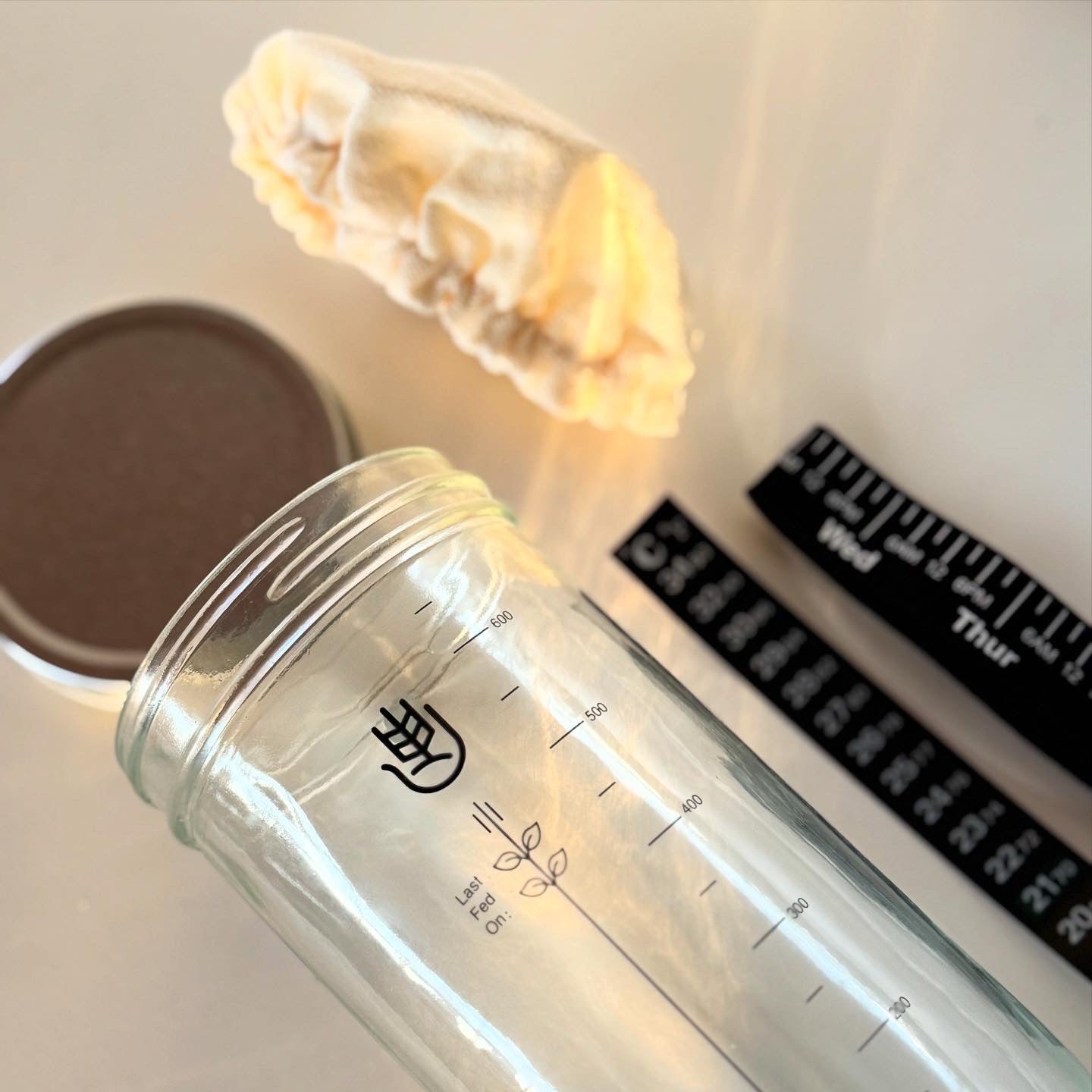
Sourdough Starter in glass - SIMPEL - sourdough & coffee

Additional Tips 

  • Flour Choice: High-protein or bread flour can improve gluten development and texture.
  • Hydration Adjustments: Depending on your local climate and flour type, you might need to adjust water quantities slightly.
  • Customization: Feel free to add herbs, seeds, or other mix-ins during the dough mixing stage for a personalized twist.
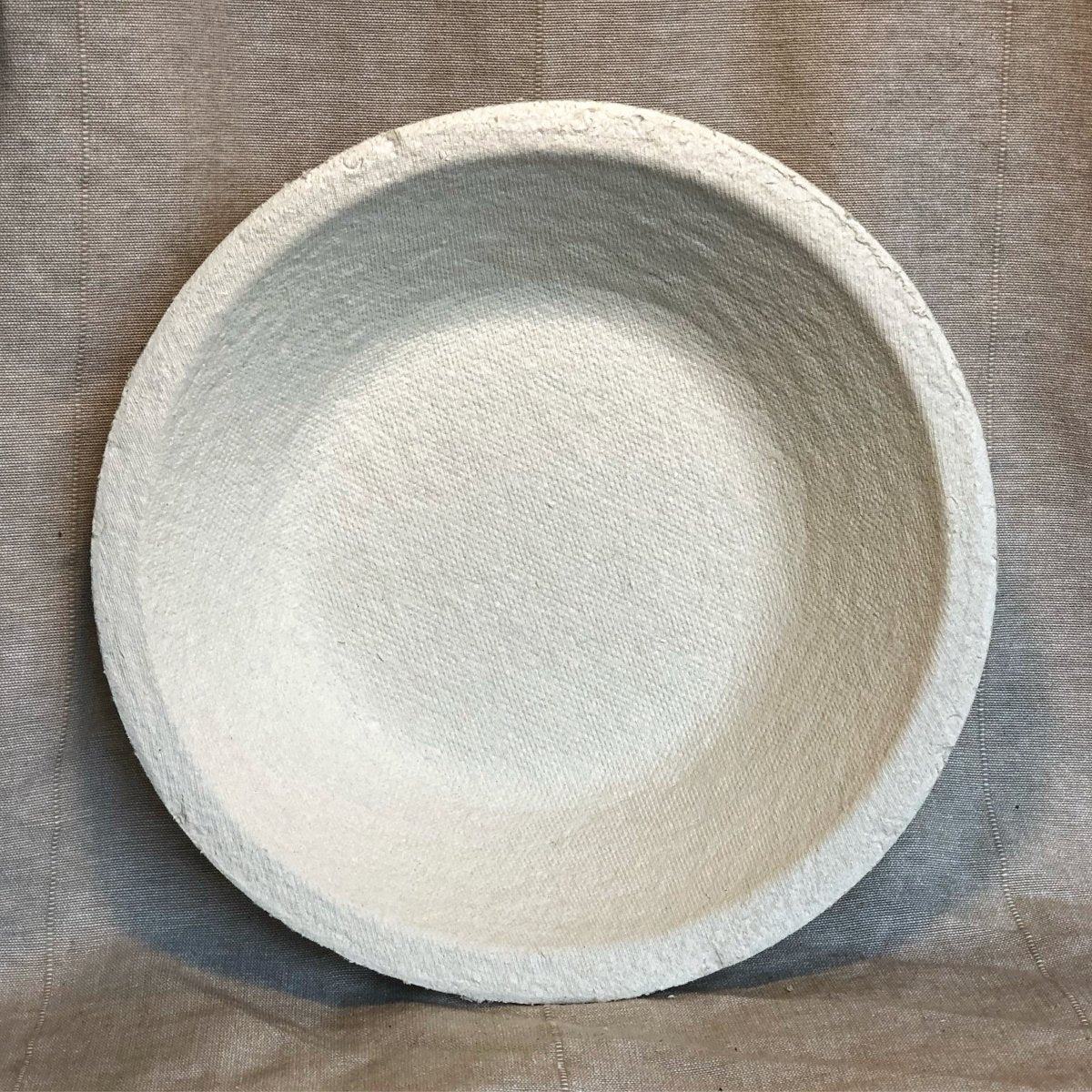
  • Equipment: While a proofing basket is ideal, a bowl lined with a well-floured towel works just as well if you don’t have one.
  • If you don't have a sourdough starter, you can purchase one online here 


4 comments

    • Simon
    • September 29, 2026 at 2:06 pm

    I love your channel and feed! Question: if I’d like to add more whole wheat to my loaf (so less bread flour) how would this change my hydration and mixing/ handling the dough?

    • Karsten Tage Andersen
    • September 29, 2026 at 2:06 pm

    Hvordan får du din surdej til at peake på 3 timer? Når jeg fodrer min hver gang den peaker, så går der 6-7 timer mellem hver peak. Den står ude på køkkenbordet i 20-21 grader.

    • Martin Hasseltoft
    • May 18, 2021 at 9:34 am

    Hej med jer.
    Jeg følger opskriften men når jeg skal til at lave det føste fold. Knækker dejen i stykker. Den er også meget våd. Jeg kan ikke lige finde ud af hvad jeg gør forkert.
    Hilsen Martin

    • Anne Gram
    • May 18, 2021 at 9:34 am

    Hvordan får jeg skorpen tyndere men stadig sprød? Jeg synes skorpen er ret tyk – måske gir jeg det for høj varme?
    Mange hilsner
    Anne

Leave a comment

This site is protected by hCaptcha and the hCaptcha Privacy Policy and Terms of Service apply.

Seneste nyheder

View all

Do You Need a Proofing Basket? (And Which One to Choose)

Do You Need a Proofing Basket? (And Which One to Choose)

When you start baking sourdough, you can get away with a bowl lined with a floured cloth. But once you've used a proper proofing basket, a banneton, it's hard to go back. In short First basketRound OvalFor batards and sandwich...

Read moreabout Do You Need a Proofing Basket? (And Which One to Choose)

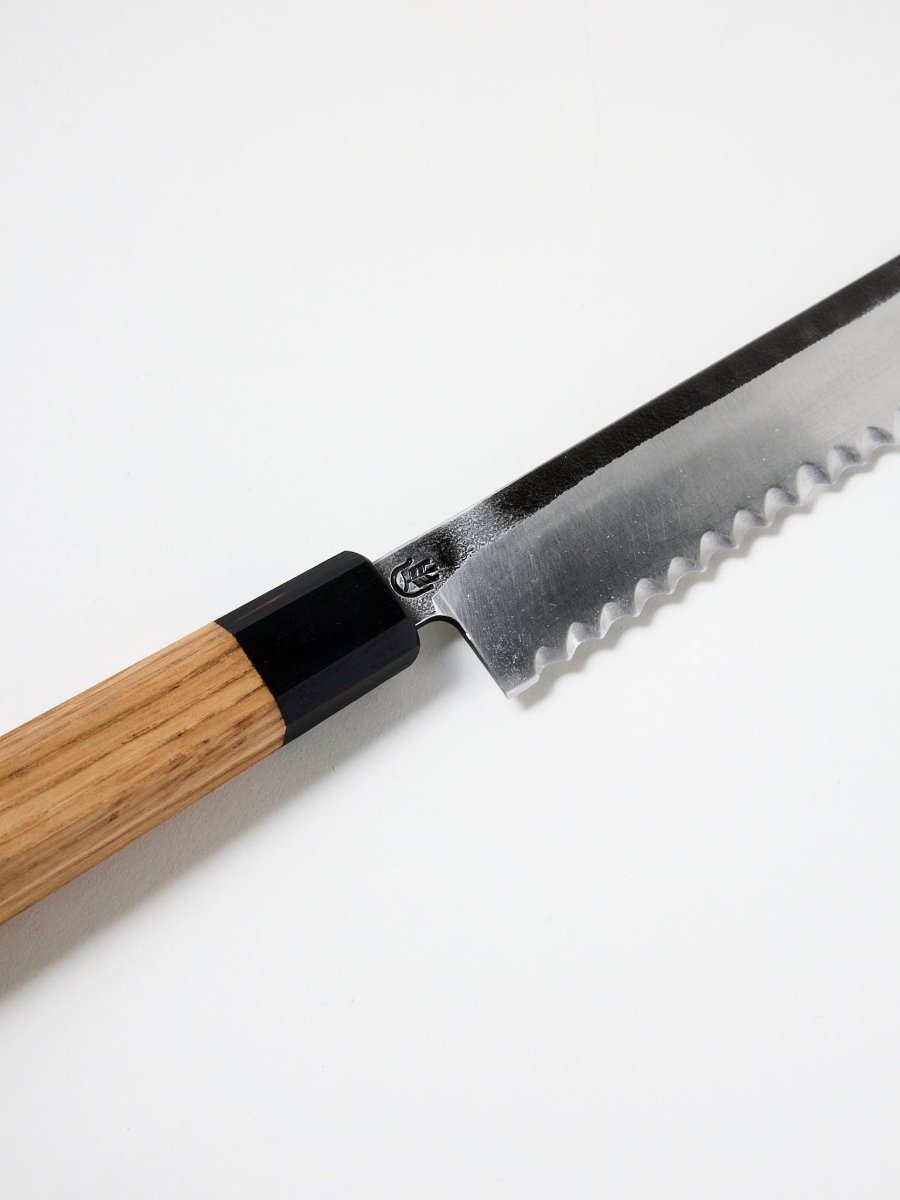
What's the Best Knife for Sourdough Bread?

What's the Best Knife for Sourdough Bread?

You've baked the perfect sourdough loaf. Crunchy crust, open crumb, smells incredible. And then you try to cut it with the wrong knife, and it squashes flat. In short LengthAt least 25 cm BladeDeep serrations WaitAt least 1 hour after...

Read moreabout What's the Best Knife for Sourdough Bread?

What is Autolyse? The Simple Technique That Changes Everything

What is Autolyse? The Simple Technique That Changes Everything

If you've been baking sourdough for a while, you've probably come across the word autolyse. It sounds like something from a chemistry textbook. It isn't. It's one of the simplest, most impactful things you can do in bread baking, and...

Read moreabout What is Autolyse? The Simple Technique That Changes Everything