
Sourdough flutes are what you make when you want all the satisfaction of a baguette without the stress of shaping a baguette. Long, golden, crackling crust — with a soft, open interior full of irregular holes and that unmistakeable slow-fermented flavour.

Mix in the evening. Bake in the morning. Eat with butter while still warm.

Why Sourdough Flutes?

Flutes sit somewhere between a dinner roll and a baguette — a little shorter, a little more forgiving to shape, but with all the same qualities you're after: a crust that shatters, an airy crumb, and a depth of flavour that instant yeast simply can't produce.

The overnight cold ferment does most of the work. By the time you wake up, your dough has developed flavour for hours while you slept. All that's left is to shape, proof briefly and bake.

Ingredients (4 flutes)

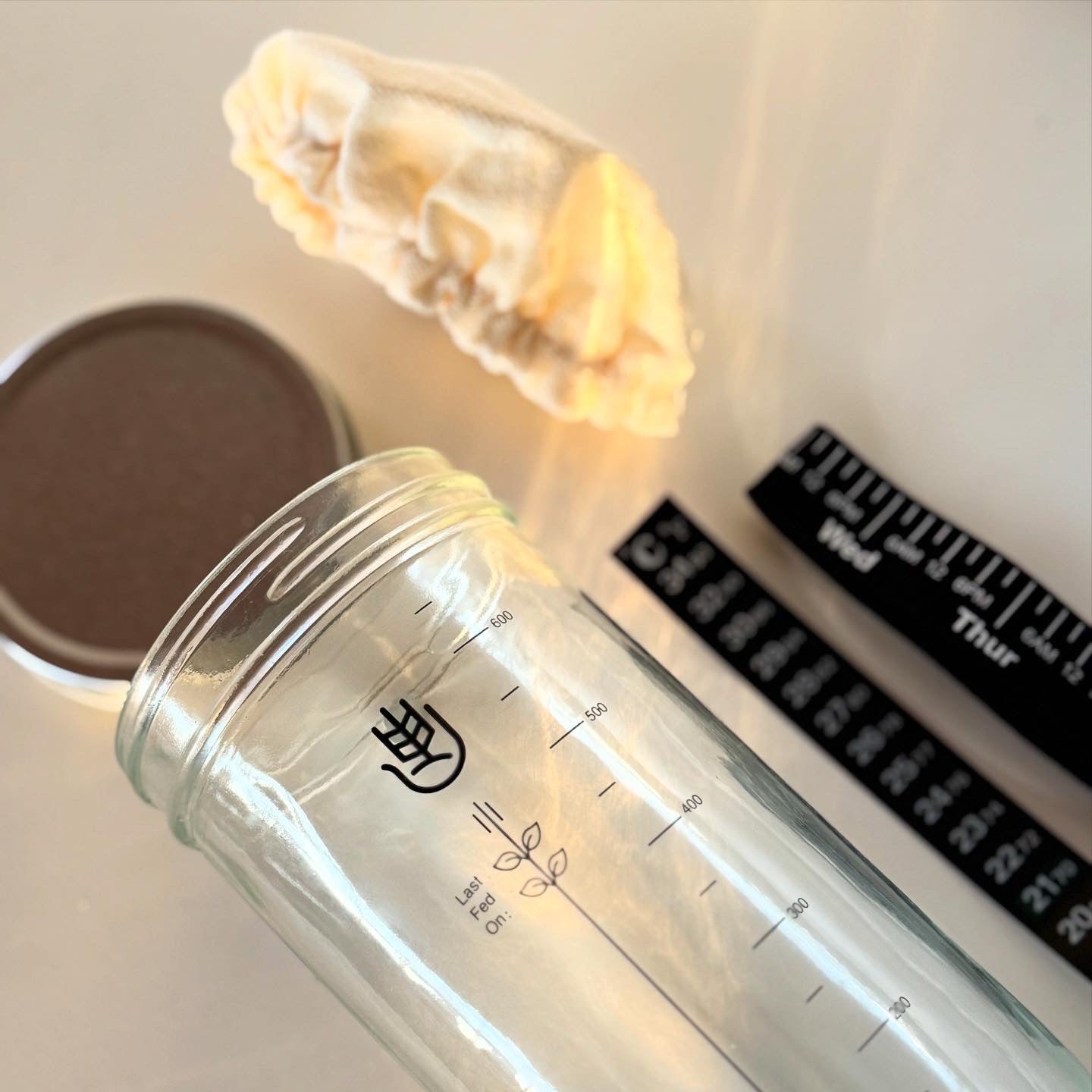
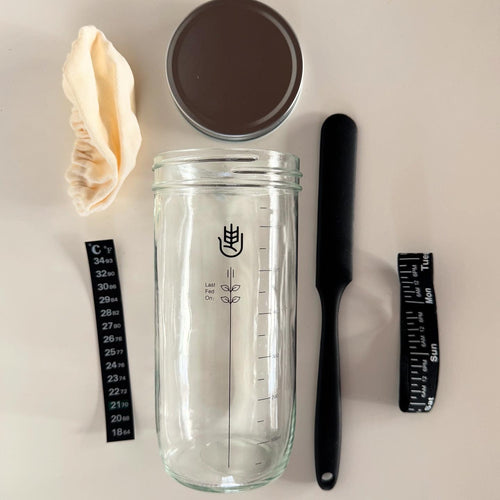
  • 150g active sourdough starter — fed 6–8 hours before use, at peak activity. Don't have a starter? Our live sourdough starter is ready to bake with after one feeding.
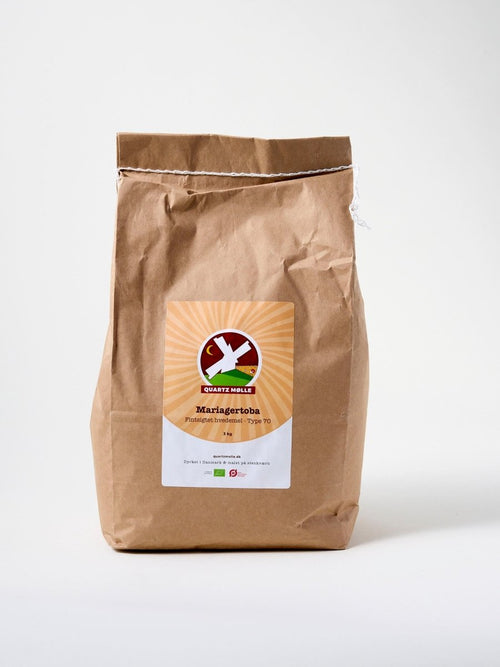
  • 450g strong bread flour
  • 310g water (room temperature)
  • 10g salt

Method

Evening — Mix & Bulk Ferment

Combine the starter, water and flour in a large bowl. Mix briefly until no dry flour remains, then cover and leave to rest for 30 minutes. This short autolyse lets the flour hydrate and gives you a much more cooperative dough. Learn why autolyse matters here.

After the rest, add the salt and perform 4 sets of stretch-and-folds over the next 2 hours, one every 30 minutes. After the final fold, the dough should feel smooth, elastic and noticeably stronger than when you started. Cover the bowl tightly and refrigerate overnight — 8 to 12 hours is ideal.

Morning — Shape

Remove the dough from the fridge. It should be cold, slightly puffy and smell pleasantly sour. Tip it gently onto a lightly floured surface — be careful not to knock out the air bubbles. These bubbles are your open crumb.

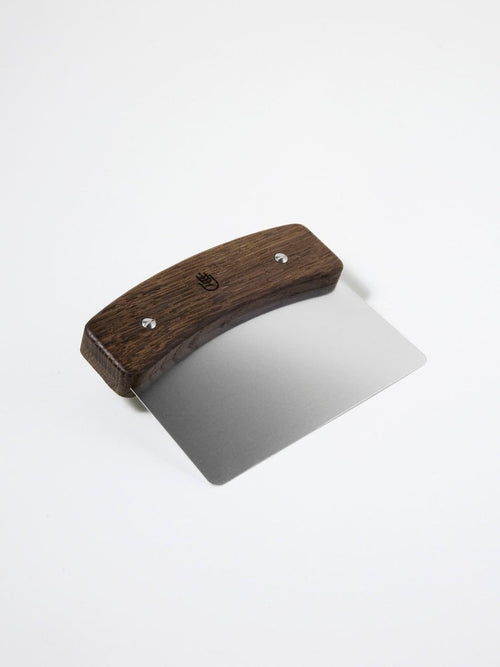
Divide into 4 equal pieces using a dough scraper — a clean cut rather than tearing preserves the gas structure. Shape each piece into a rough rectangle, then roll gently into a long cylinder, about 25–30cm. Don't overwork the dough — a light touch is everything here.

Place on a baking tray lined with parchment, seam-side down. Cover loosely and leave to proof at room temperature for 60 to 90 minutes, until noticeably puffed.

Bake

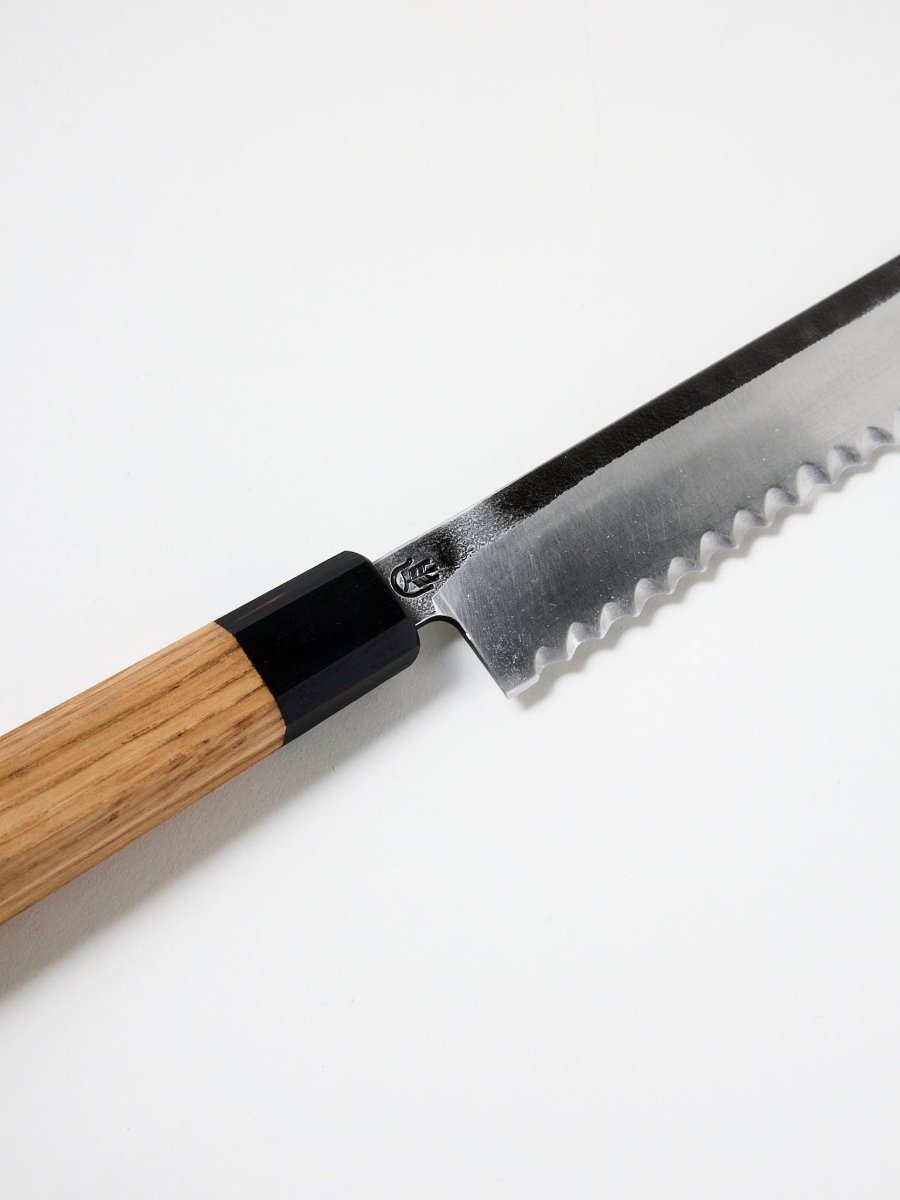
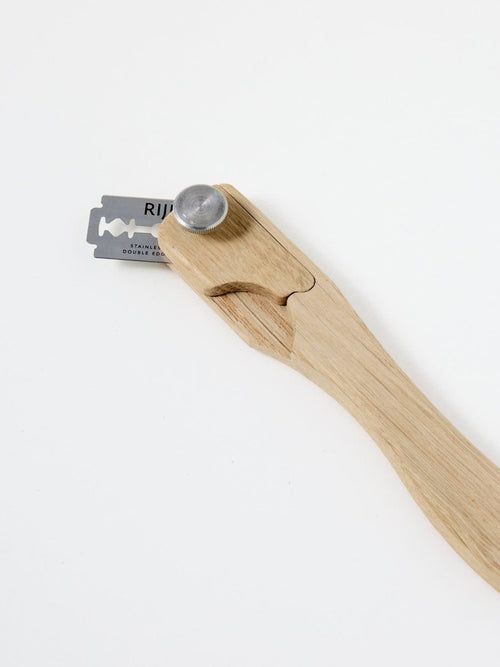
Preheat the oven to 240°C — as hot as it goes. Place a small baking dish or pan on the bottom rack; you'll use this for steam. When the oven is fully preheated, score the tops of the flutes with a sharp bread lame — one long slash at a 30-degree angle works perfectly. This allows the flutes to open up in the oven and gives you that beautiful split crust.

Just before loading, pour a cup of boiling water into the bottom pan to create steam. Bake for 20–22 minutes until deep golden brown. The crust should feel firm and sound hollow when tapped.

Leave to cool on a rack for at least 15 minutes before eating — if you can wait that long.

The Steam Trick

Steam in the first 10 minutes of baking keeps the crust soft and extensible while the bread springs up in the oven. Without steam, the crust sets too quickly and the flutes can't expand properly. After 10 minutes, remove the water pan and let the dry oven heat finish crisping the crust.

It's a small step that makes a significant difference.

Serving

Sourdough flutes are at their absolute best in the 2 hours after baking — the crust is shatteringly crisp and the interior is still slightly warm and moist. Serve alongside soup, use as a base for open sandwiches, or eat as they are with good butter and a little flaky salt.

They also freeze well. Let them cool completely, wrap tightly and freeze. To serve, place directly in a 200°C oven for 8–10 minutes from frozen.

— Peter, Simpel Surdej

Leave a comment

This site is protected by hCaptcha and the hCaptcha Privacy Policy and Terms of Service apply.

Seneste nyheder

View all

What is Autolyse? The Simple Technique That Changes Everything

If you've been baking sourdough for a while, you've probably come across the word autolyse. It sounds like something from a chemistry textbook. It isn't. It's one of the simplest, most impactful things you can do in bread baking —...

Read moreabout What is Autolyse? The Simple Technique That Changes Everything

How to Remove Rust from Your Baking Steel - SIMPEL - sourdough & coffee

How to Remove Rust from Your Baking Steel

A baking steel is a must-have tool for baking crusty sourdough bread at home. But what happens when rust appears on its surface? Rust can develop if the steel isn’t dried properly after cleaning or is exposed to moisture over...

Read moreabout How to Remove Rust from Your Baking Steel

How to convert a liquid sourdough into a dry starter (Pasta Madre / Lievito Madre) - SIMPEL - sourdough & coffee

How to convert a liquid sourdough into a dry starter (Pasta Madre / Lievito Madre)

Learn how to convert your liquid sourdough to Pasta Madre for authentic Panettone! Our guide covers flour choices, hydration, and feeding ratios. Get the recipe!

Read moreabout How to convert a liquid sourdough into a dry starter (Pasta Madre / Lievito Madre)