

(And What You Can Do About It)
In short
- Dust withRice flour, rubbed into the grooves
- Beginner hydration68-70%
- Cold dough8-12 hours in the fridge
- AvoidOverproofed dough
If you’ve ever flipped your sourdough out of the banneton and watched in horror as half the dough stayed behind, we feel you.
Sticky dough can be one of the most frustrating parts of baking sourdough. But the good news? It’s easily fixed with a few simple adjustments.
Here’s a complete guide to why your dough might be sticking to the banneton, and what you can do to fix it.
1. Your Banneton Needs More Flour (or the Right Type of Flour)
Most beginners don’t use enough flour in the banneton. Or they use the wrong kind.
-
Rice flour is king. It’s less absorbent than regular wheat flour and creates a dry barrier between the dough and the banneton.
-
Use a 50/50 mix of rice flour and all-purpose flour for even better results.
-
Don’t just dust the surfacerub it generously into the ridges of the banneton.
-
You can also dust the top of the dough (the part that touches the banneton) before placing it in.
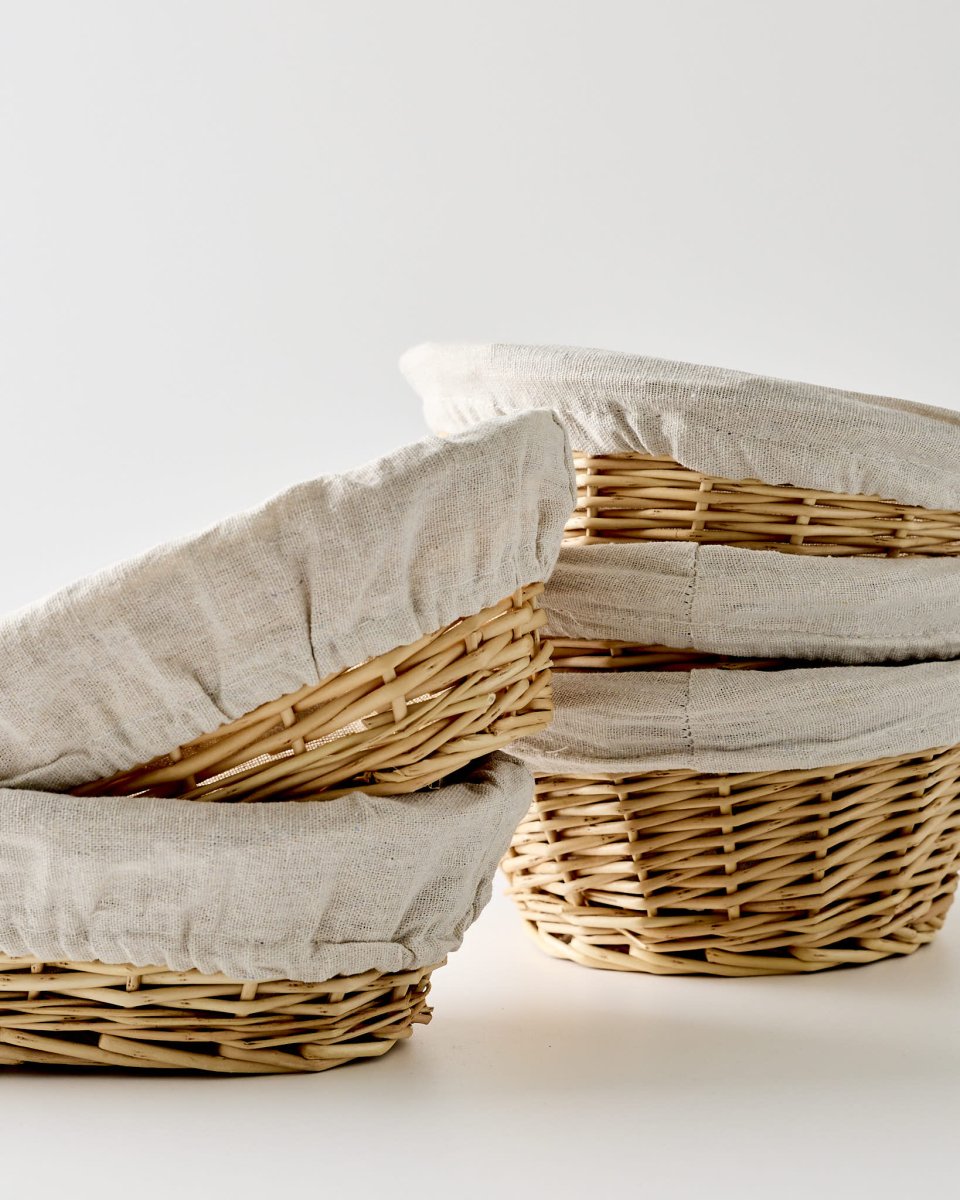
🧑🍳 At Simpel Surdej, we recommend our own handmade bannetons, which come with or without linen liners and have been tested by thousands of our students. They’re breathable, durable, and perfect for both beginners and pros.
2. Your Dough Is Too Wet
A high hydration dough (anything above ~75%) can be beautiful, but it’s harder to handle.
-
Sticky doughs are more likely to cling to the banneton.
-
If you’re just starting out, try reducing your hydration to 68-70% until you get more comfortable.
-
Over time, you can work your way up to wetter doughs with stronger gluten development.
3. It Didn’t Build Enough Strength
If your dough spreads or collapses during shaping, it may not have enough strength to hold itself together, and that makes it more likely to glue itself to the banneton.
-
Make sure to do enough stretch and folds during bulk fermentation.
-
A proper shaping technique helps build surface tension and create a tight "skin" that resists sticking.
4. It Overproofed
Overproofed dough gets weak, slack, and sticky. It loses its structure and starts to ooze into the banneton.
-
If your dough feels very jiggly, fragile, or overly soft, it may have gone too far.
-
Try reducing your proofing time slightly or move it to the fridge earlier next time.
💡 A cold dough is less sticky! Always refrigerate your shaped loaf for at least 8-12 hours before baking. This makes it firmer and easier to release from the banneton.
5. You're Not Confident When You Flip
Hesitation causes trouble. If you flip the banneton slowly or try to "peel" the dough off gently, it can stick even more.
-
Use a quick, confident motion: place parchment over the banneton, flip fast, and commit!
-
Give the banneton a little shake if needed to help release the dough.
Bonus Fix: Try a Cloth Liner or Reusable Mesh
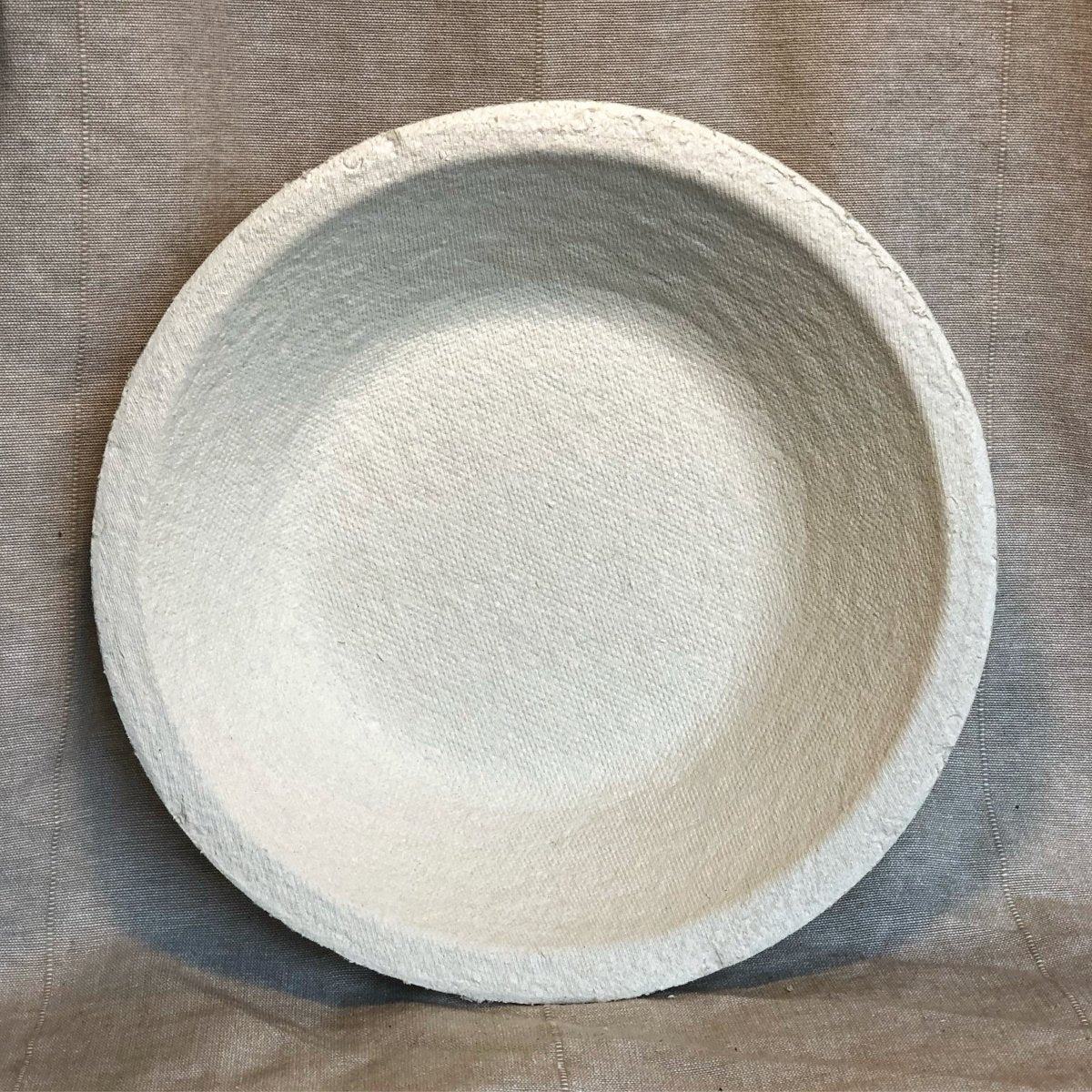
If you’ve tried everything and still struggle, a cloth liner dusted with flour (or even a reusable banneton mesh insert) can work wonders. These are easier to release and wash, especially helpful if you’re baking often.
Final Words
Dough sticking to the banneton happens to everyone, even experienced bakers. It’s not a failure. It’s part of the learning process.
With a few tweaks to your flour, hydration, proofing, and confidence, you’ll get clean releases and beautiful scoring every time.
And if your loaf does get stuck, scrape it out, reshape gently, bake it anyway, and eat it with pride. That’s how great bakers are made.
Del på sociale medier:
What is a proofing basket (banneton)
Why Is My Sourdough Too Dark? 5 Ways to Fix Burnt Bread