
Want to bake sourdough bread with those beautiful, professional shapes and flourishes you see in artisan bakeries? The secret weapon is a banneton, also known as a proofing basket. It might seem like a simple tool, but it can make a real difference in your sourdough baking. Let's dive into what these baskets are all about and how they can help you create bakery-worthy loaves.
In short
- Used forThe final proof
- Dust withRice flour
- ShapesRound, oval and long
- GivesShape and a pattern on the crust

What is a Banneton (Proofing Basket)?
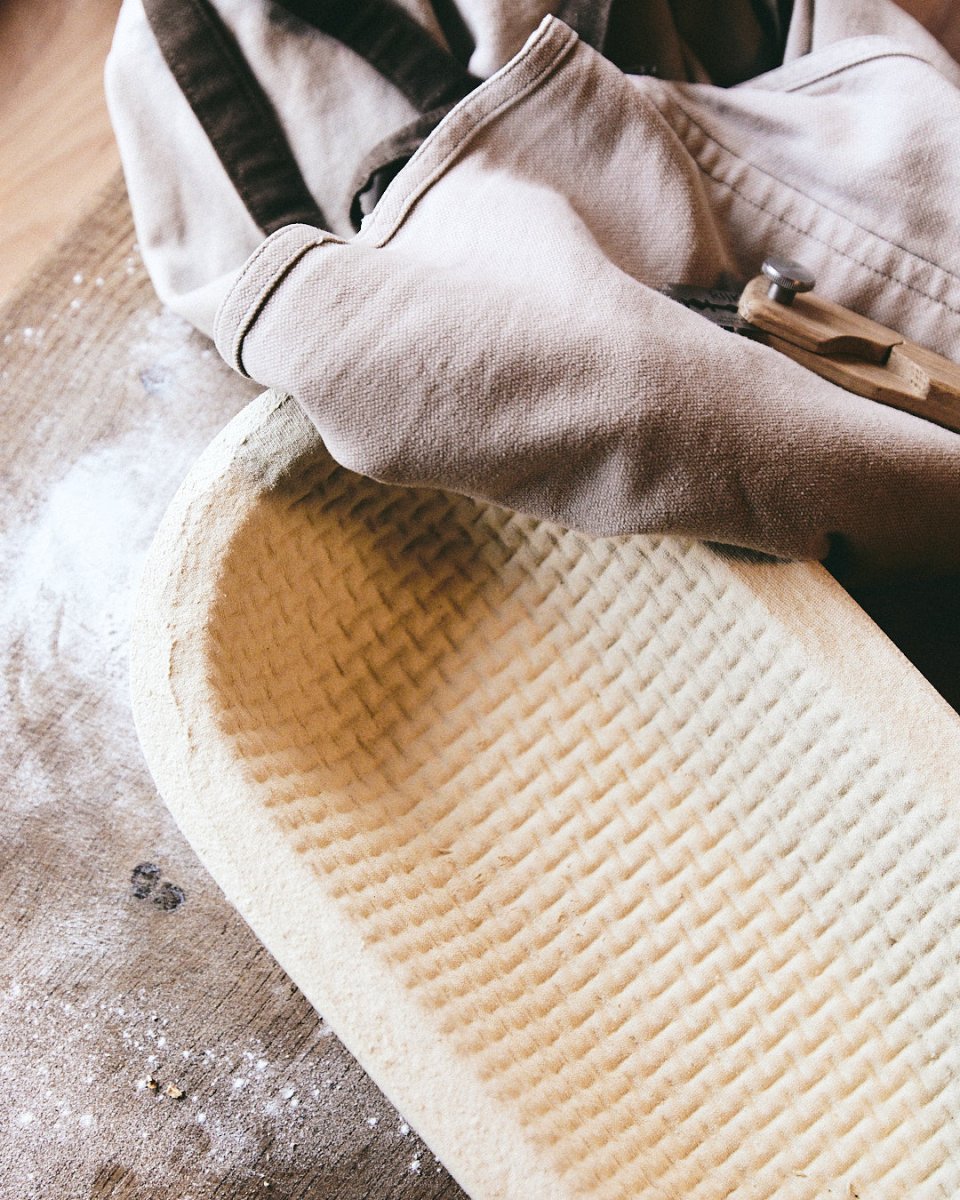
Made from coiled cane or wood, a banneton is designed to cradle and shape your sourdough during its final rise (also known as bulk fermentation). Think of it as a supportive mold that gently guides your dough into its desired form. The open weave of the basket allows the dough to breathe, creating a slightly drier surface that's perfect for developing a crisp crust.
The Banneton's Shaping Magic
When you place your freshly shaped sourdough into a banneton, it acts like a gentle hand, guiding the dough as it rises. This prevents the loaf from flattening and encourages a more even rise. But the magic doesn't stop there! The banneton's textured surface leaves behind a beautiful spiral or ring pattern on the crust, giving your bread that signature artisanal touch.
Shaping Your Loaves: A World of Possibilities
Banneton baskets come in a delightful array of shapes and sizes, each designed to create a specific bread form. You can find our whole collection here: our proofing baskets
Here are a few popular options:
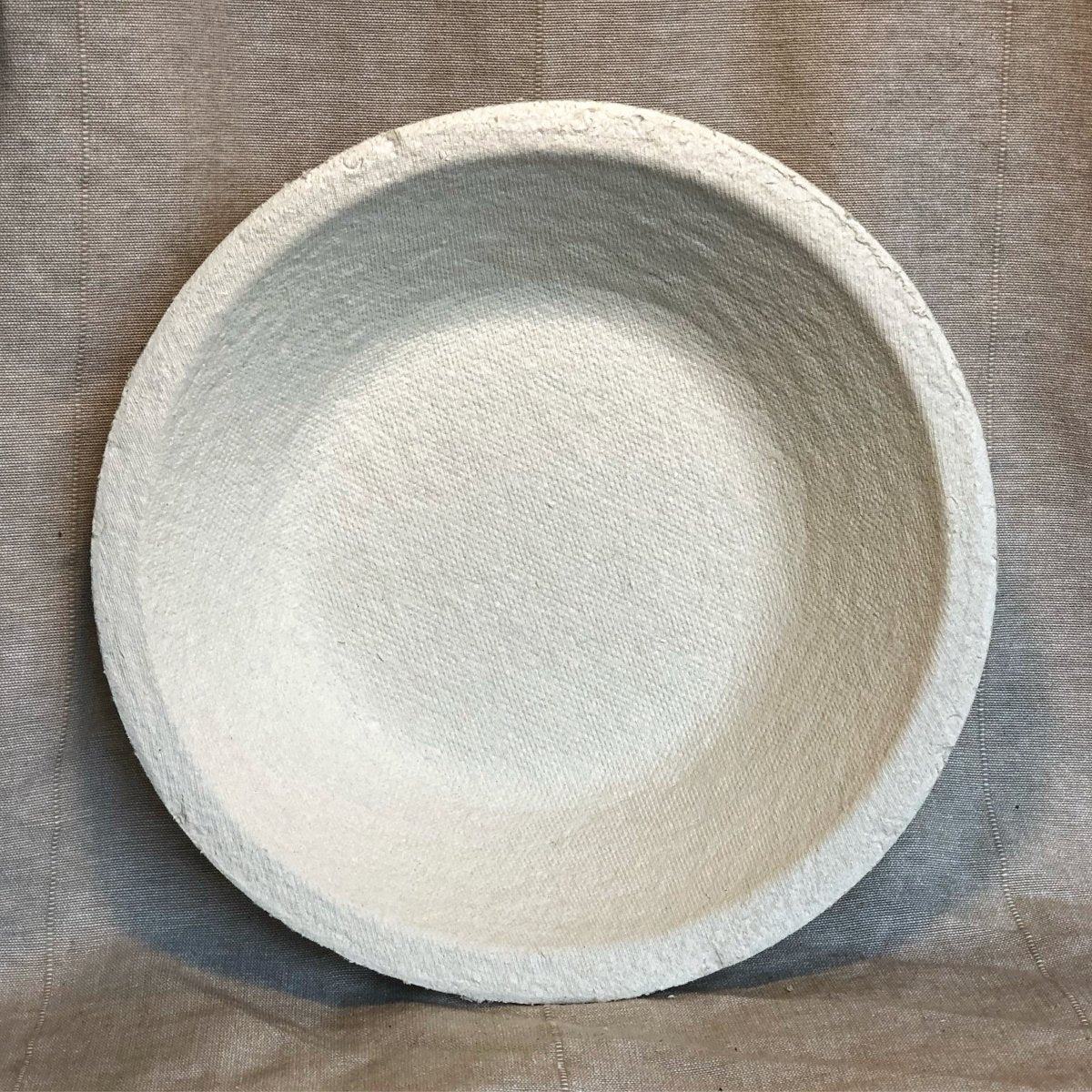
- Round: The classic choice for boules and round loaves. Proofing Basket Round 1kg Custom Artisan Edition
- Oval: Perfect for crafting elegant oval-shaped breads. Proofing Basket Oval 1kg Custom Artisan Edition
- Long/Batard: Ideal for batards, those longer, narrower loaves.
- Square/Rectangle: Use these to bake square or rectangular loaves.
The shape of your banneton directly influences the final form of your bread, allowing you to experiment with different styles.
Material Matters: Cane vs. Wood
Most bannetons are crafted from either cane or wood:
- Cane: Traditional bannetons are made from coiled cane, offering excellent support and leaving behind those beautiful spiral patterns.
- Wood: Wooden bannetons are gaining popularity for their smooth surface and ease of cleaning.
Using Your Banneton: A Step-by-Step Guide
Ready to put your banneton to work? Here's how:
- Prep It: Before first use, dust your banneton generously with rice flour to prevent sticking. You can also use a cloth liner for extra protection and easier cleanup: Cloth for Proofing Baskets
- Shape It: Place your shaped sourdough loaf seam-side up in the banneton.
- Proof It: Cover the banneton with a cloth or plastic bag and let the dough proof in the refrigerator overnight, or at room temperature as needed.
- Bake It: When you're ready to bake, gently flip the banneton over your baking sheet or Dutch oven. The loaf should release easily.
- Clean It: After baking, brush out any excess flour and let the banneton air dry completely. Avoid washing with water, as this can damage the basket. You can use a special brush for cleaning bannetons: Brush for Proofing Baskets
Choosing the Right Banneton
- Size Matters: Select a banneton slightly larger than your desired loaf size to allow for expansion during proofing.
- Shape Up: Choose a shape that matches the type of bread you're baking.
- Material World: Consider your preferences and cleaning habits when choosing between cane and wood.

Conclusion
Banneton baskets are more than just baskets; they're tools of transformation, helping you create stunning sourdough loaves with ease. By understanding the different types of bannetons and how to use them, you can unlock new levels of creativity and craftsmanship in your sourdough baking.
Del på sociale medier:
What is Sourdough Hydration?
Why Is My Dough Sticking to the Banneton / Proofing basket