
Recipe

Mastering the Sourdough Baguette: A Step-by-Step Guide

Total time8 hours
Active time45 min
2 baguettes

Ingredients

  • 500 g wheat flour, type 00
  • 300 g water
  • 150 g active wheat sourdough starter
  • 12 g salt

For shaping

  • rice flour for dusting

Method

Tap a step when it is done.

  1. Dissolve the sourdough starter in the water, then add the flour and salt. Mix until a shaggy dough forms.

  2. Let the dough rest for 30 minutes so the flour can hydrate.

  3. Knead until smooth and pliable. Go easy with a stand mixer, the dough warms up quickly. Let it rise for 2 to 4 hours in a clean bowl, until it has grown 30 to 50 percent.

Shaping

  1. Flour the counter and turn out the dough. Divide it into 2 for baguettes or 4 for demi-baguettes.

  2. Stretch each piece into a square and fold it like an envelope. Place it seam side down and let it rest for 30 minutes.

  3. Shape into baguettes and place them on parchment or in a tea towel dusted with rice flour. Proof for 1 to 2 hours. Preheat the oven with a baking steel to 260°C for an hour.

Baking

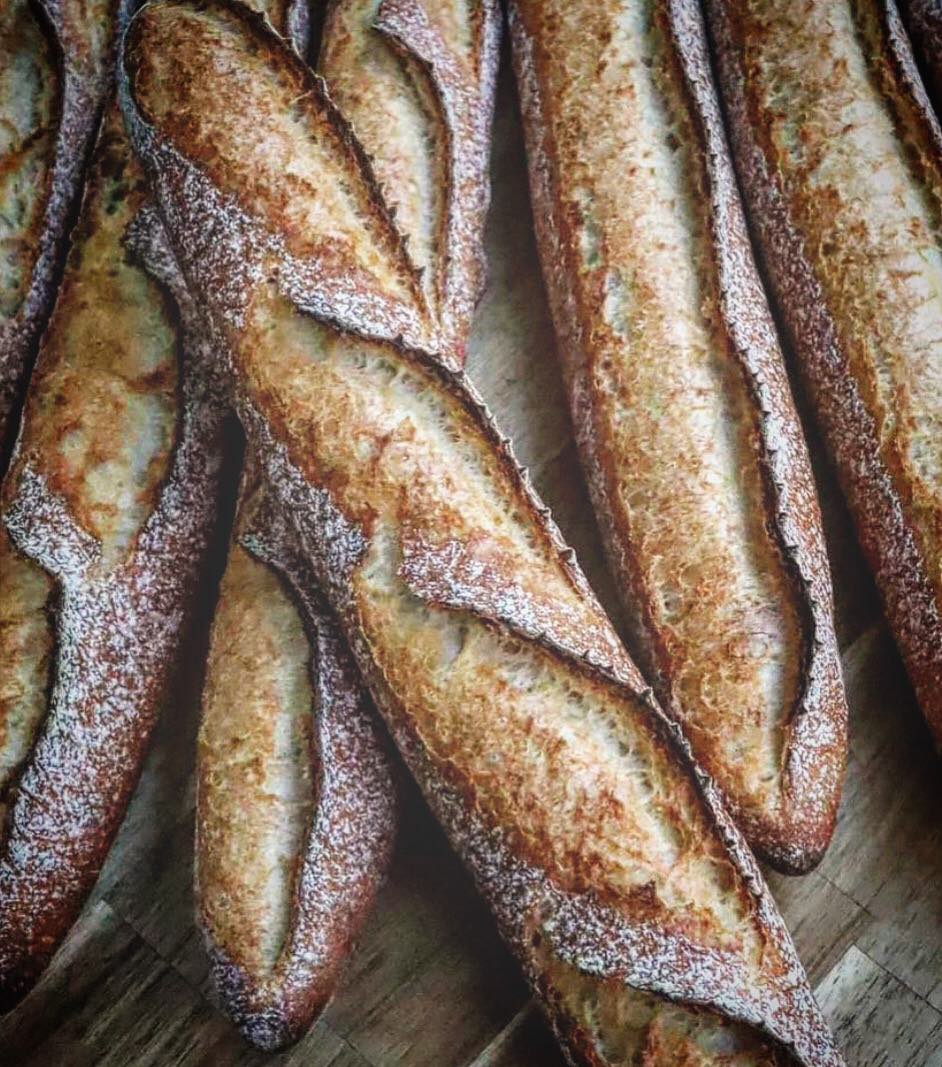
  1. Score at a 45 degree angle. Bake for 15 minutes with steam, then 15 to 20 minutes without, until deep golden.

Total hydration is 65.2 percent. It is low on purpose, so the dough is easier to handle and holds its shape. You can swap 5 to 15 percent of the flour for wholemeal, like spelt, for more elasticity. Recipe and inspiration from Rebekka Brokman.

Questions and answers

Should the oven be at 260°C the whole time?

Yes. Baguettes are thin and need strong heat to get a crisp crust and open cuts in the short time they bake. If they get too dark for your taste, turn down to 240°C when you remove the steam.

How do I fold the dough like an envelope?

Stretch the dough into a square. Fold the top third in towards the middle, then the bottom third up over it. Turn the dough a quarter turn and repeat. Place it seam side down. It does not need to be perfect. The point is just to give the dough a little tension before it rests.

What we use

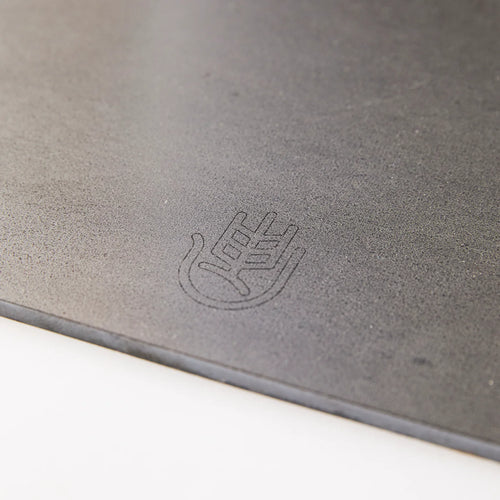
Baking Steel Baking Steel 499.00 DKK
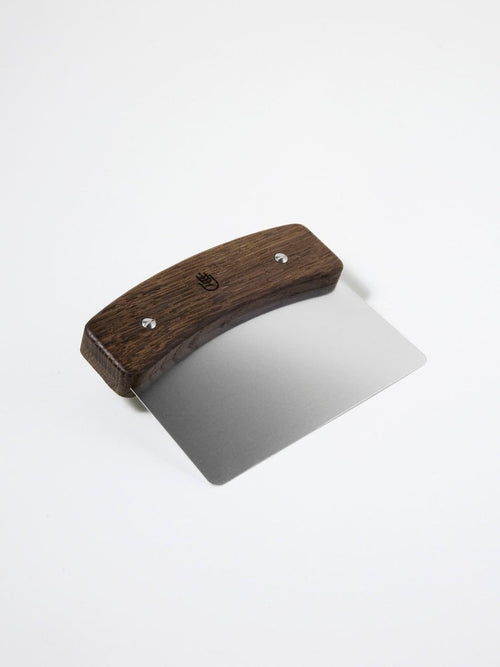
Bench Knife Smoked Oak Bench Knife Smoked Oak 379.00 DKK
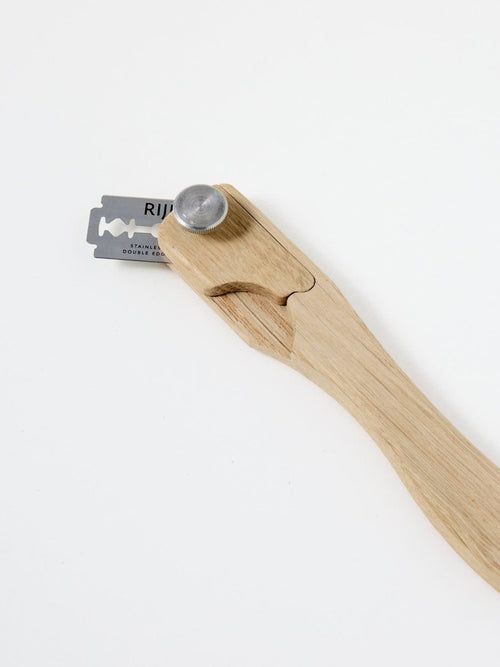
Bread Lame Oak Bread Lame Oak 339.00 DKK
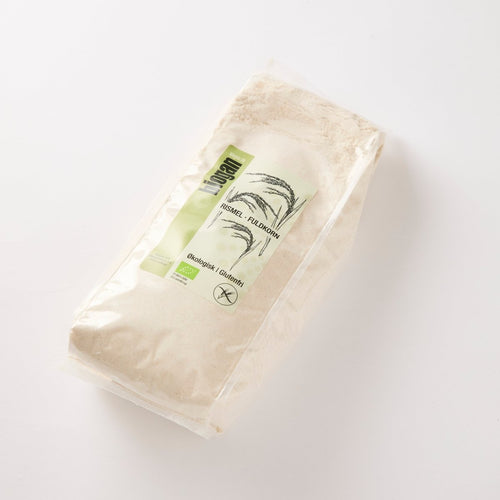
Rice Flour BIO 1kg Rice Flour BIO 1kg 58.00 DKK

The sourdough baguette: a classic symbol of French baking, renowned for its crisp crust, airy interior, and distinctive tangy flavor. While achieving baguette perfection takes practice, this comprehensive guide will equip you with the knowledge and techniques to create impressive sourdough baguettes in your own kitchen.

The Science of the Sourdough Baguette

The magic of sourdough lies in the fermentation process. Wild yeasts and bacteria present in the sourdough starter create a complex network of air pockets within the dough, resulting in the characteristic open crumb and airy texture. The long fermentation also contributes to the baguette's unique flavor and improved digestibility.

Ingredients and Hydration

This recipe utilizes a lower hydration dough (65.2%) compared to typical sourdough bread. This allows for easier handling and helps the baguette maintain its shape during baking. The dough's consistency is similar to pizza dough, making it relatively manageable for shaping.

Tips for Success

  • Flour Choice: Using strong flour (high protein content) will help create a more open crumb and a stronger baguette structure.
  • Sourdough Starter: Ensure your starter is active and at its peak for optimal leavening.
  • Shaping: Practice shaping the baguettes to create a taut surface and even structure.
  • Scoring: Scoring allows for controlled expansion during baking and creates a beautiful design.
  • Steam: Steam is crucial for creating a crisp crust.

Serving Suggestions

Enjoy your freshly baked sourdough baguettes warm from the oven! They are delicious on their own, with butter, or as a companion to soups, salads, and cheeses.

Conclusion

Baking sourdough baguettes is a rewarding experience. With practice and attention to detail, you can create bakery-quality baguettes in your own kitchen. Enjoy the process and savor the delicious results!
2 comments

    • Mia
    • February 21, 2025 at 2:56 pm

    Folde teknikken forstår jeg intet af – fold som en konvolut? Altså hvert hjørne ind til midten eller hvordan? Foldning til sidst – 2/3 ind over midten og så dreje dejen og gøre det samme den anden vej? Kan du poste en video så det giver mening? 😄
    Eller…er det super vigtigt at det lige bliver gjort således?

    • Pia Hinnerup
    • September 29, 2026 at 2:07 pm

    Hej, har idag bagt disse og det undrer mig at ovnen hele vejen igennem skal være på 260 grader…?

Leave a comment

This site is protected by hCaptcha and the hCaptcha Privacy Policy and Terms of Service apply.

Seneste nyheder

View all

Do You Need a Proofing Basket? (And Which One to Choose)

Do You Need a Proofing Basket? (And Which One to Choose)

When you start baking sourdough, you can get away with a bowl lined with a floured cloth. But once you've used a proper proofing basket, a banneton, it's hard to go back. In short First basketRound OvalFor batards and sandwich...

Read moreabout Do You Need a Proofing Basket? (And Which One to Choose)

What's the Best Knife for Sourdough Bread?

What's the Best Knife for Sourdough Bread?

You've baked the perfect sourdough loaf. Crunchy crust, open crumb, smells incredible. And then you try to cut it with the wrong knife, and it squashes flat. In short LengthAt least 25 cm BladeDeep serrations WaitAt least 1 hour after...

Read moreabout What's the Best Knife for Sourdough Bread?

What is Autolyse? The Simple Technique That Changes Everything

What is Autolyse? The Simple Technique That Changes Everything

If you've been baking sourdough for a while, you've probably come across the word autolyse. It sounds like something from a chemistry textbook. It isn't. It's one of the simplest, most impactful things you can do in bread baking, and...

Read moreabout What is Autolyse? The Simple Technique That Changes Everything