


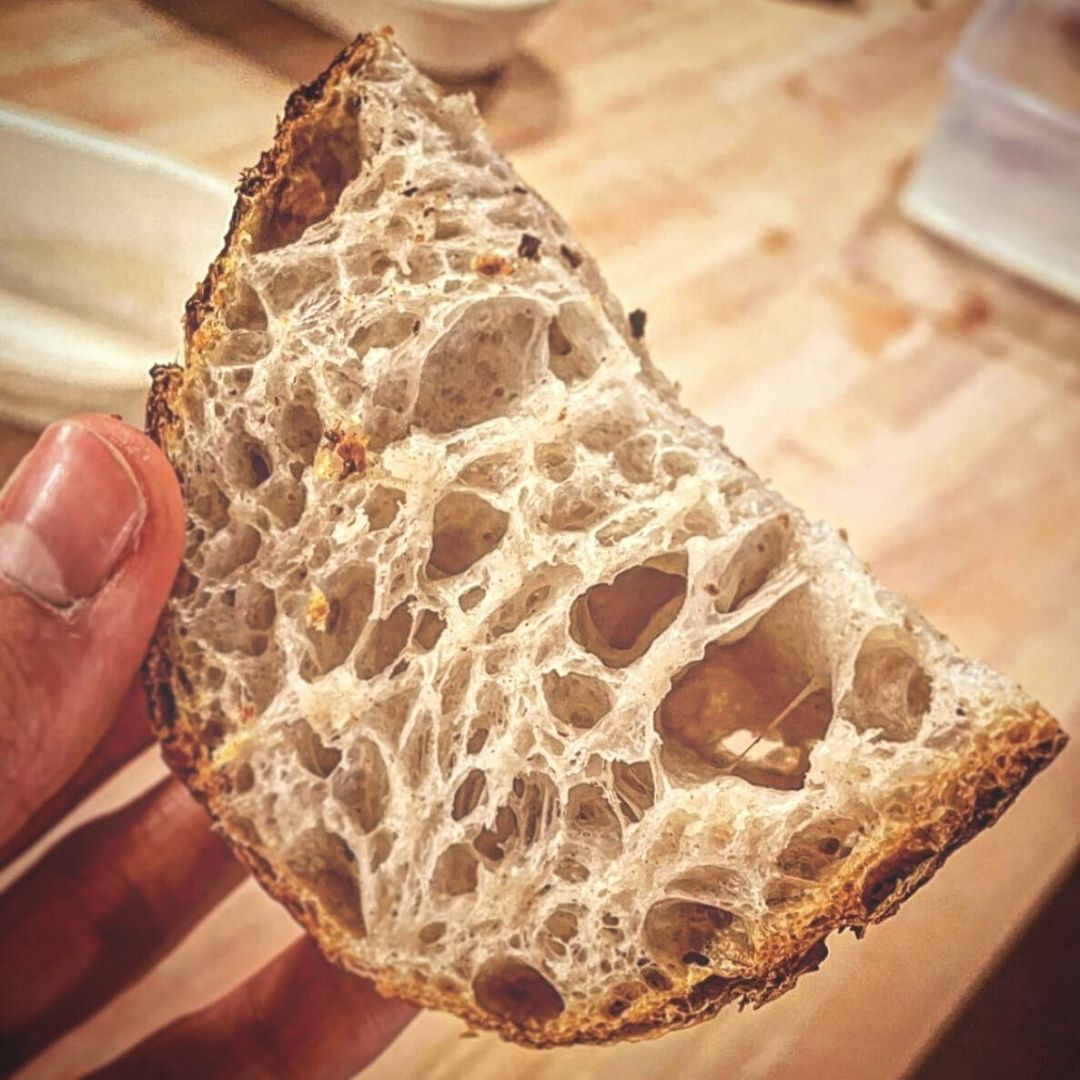
Soft, airy sourdough buns with a crisp crust. We like recipes that work both by hand and with a mixer, and this one does.
Bodil from muttionline has a detailed guide to both methods. Watch it here:
Recipe
For rolling, optional
Tap a step when it is done.
Autolyse
Combine the water, flour and starter in a stand mixer, and run it on the lowest speed for 10 minutes. Cover and let the dough rest for 15 to 30 minutes.
Salt and kneading
Add the salt and mix on low speed for 8 minutes. For the last 2 minutes, turn to maximum until the dough pulls away from the bowl and is smooth and slightly shiny.
Move the dough to a lightly oiled container and let it rest for 15 minutes.
Bulk fermentation
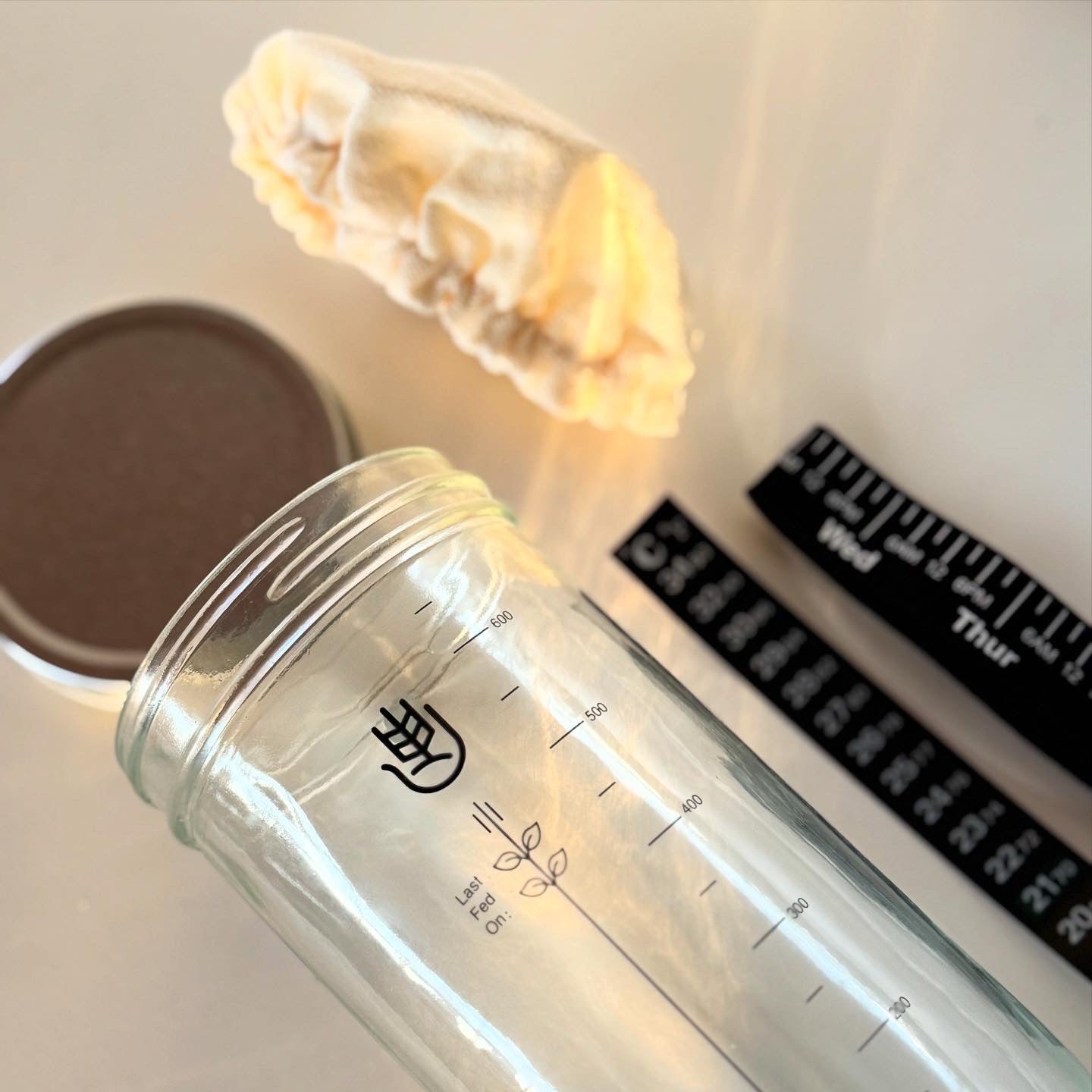
Let the dough rise at room temperature until roughly doubled, usually 4 to 6 hours at 22 to 24°C. Use a small glass of dough with a rubber band to follow the rise.
Refrigerate the dough at 2 to 5°C overnight. To bake the same day, chill it for 30 to 60 minutes before shaping.
Shaping and baking
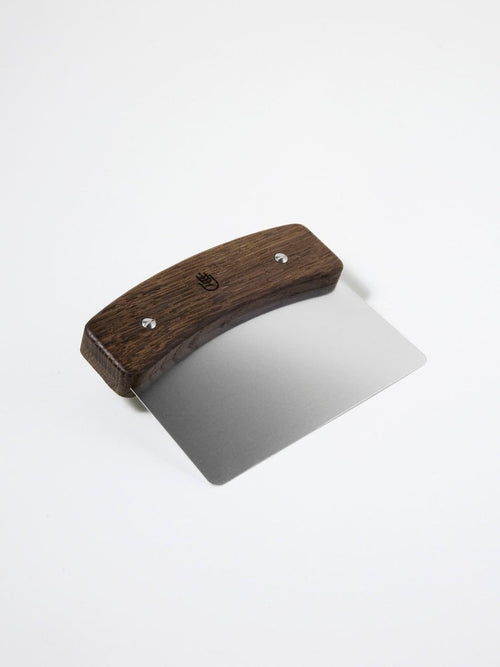
Turn the dough out onto a lightly floured surface and divide it into pieces with a bench knife. For seeds, dip the rolls lightly in water and roll them in the seeds.
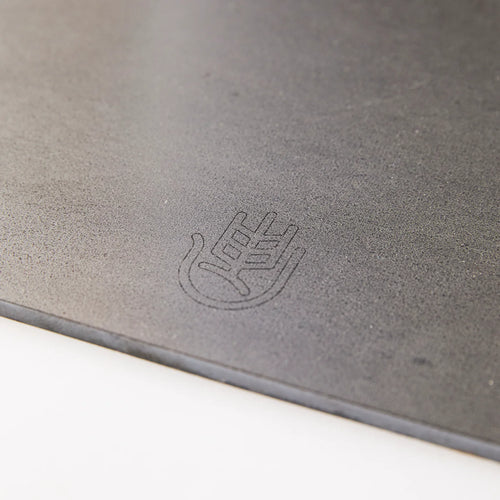
Preheat the oven to 240 to 260°C with a baking sheet or baking steel inside for at least 30 to 45 minutes.
Bake the rolls for 12 minutes, with steam for the first 5 to 6 minutes. A shorter bake gives a lighter crust, a longer bake a darker one.
Let them cool on a rack for at least 15 to 20 minutes.
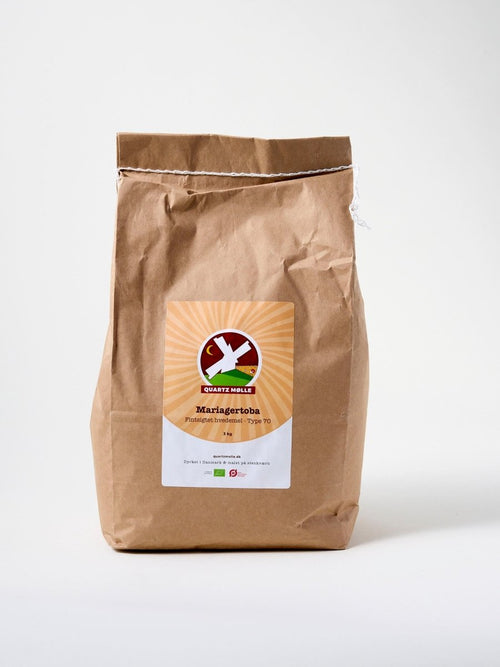
Big holes come from a wet dough, a strong gluten network and a good rise. Knead until the dough pulls away from the bowl and is shiny. Let it rise until roughly doubled. Handle it gently when you divide it, so the air stays in the dough. With a strong flour like Mariagertoba you can also add more water.
No. Divide the dough straight from the fridge and bake the rolls at once. Cold dough is easier to divide and holds its shape better in the oven.
Yes. Use the buttons on the recipe to scale the amounts. The rise time is the same, but a large dough can take a little longer to cool in the fridge.
Grease the container lightly with oil and turn the dough out onto a floured counter. Run a dough scraper along the edge and let gravity do the rest. Wet hands help too.
Purple wheat or Øland wheat gives the best crumb. Rye flour works too, but the rolls get denser and darker.
The video is an older version. The recipe here is our updated version from Peter's sourdough book, and it is the one we bake from today. Follow the recipe, and use the video to see how the dough should look and feel.
Soft, airy sourdough buns with a crisp crust. We like recipes that work both by hand and with a mixer, and this one does.
Bodil from muttionline has a detailed guide to both methods. Watch it here:
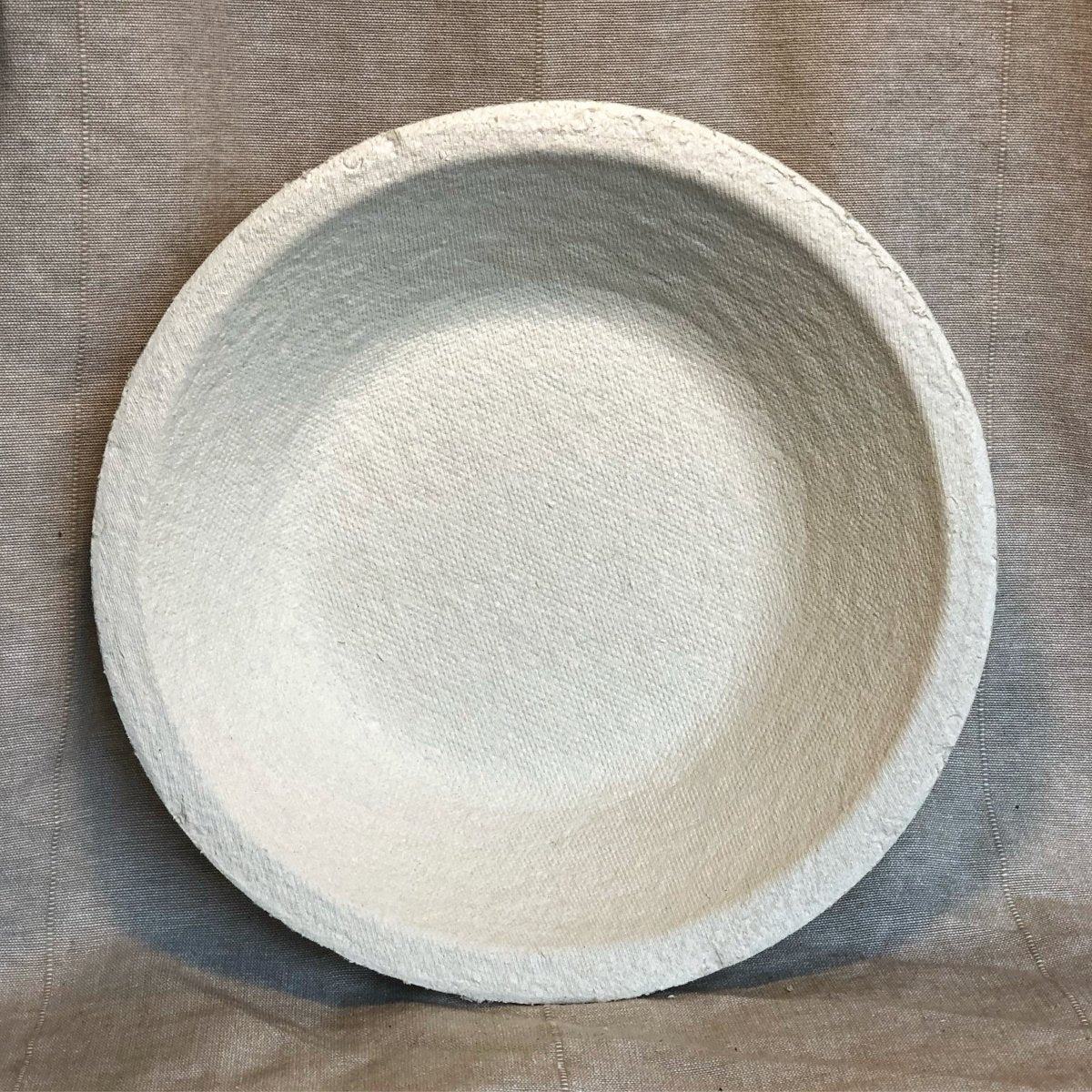
Do You Need a Proofing Basket? (And Which One to Choose)
Read moreabout Do You Need a Proofing Basket? (And Which One to Choose)
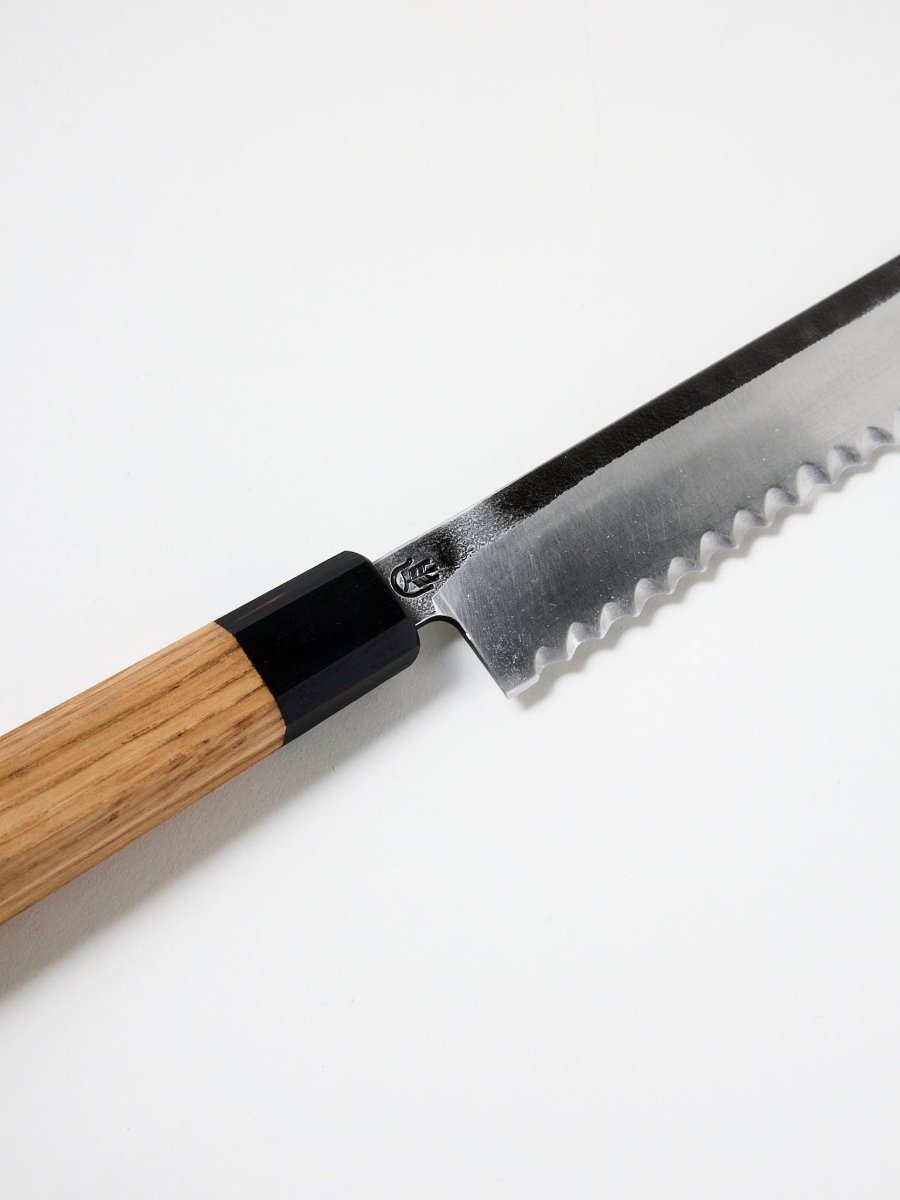
What's the Best Knife for Sourdough Bread?
What is Autolyse? The Simple Technique That Changes Everything
Read moreabout What is Autolyse? The Simple Technique That Changes Everything
Del på sociale medier:
Croissant with Sourdough
Sourdough Wheat Buds
7 comments
Hej :)
Skal den tages ud af køleskabet og stå og “hvile” inden den bages? Og i så fald hvor længe?
Hej Peter
Jeg har nu fulgt dig og dit arbejde med simpel surdej siden den første nedlukning i forbindelse med corona. Jeg er meget inspireret af dit gå på mod og dit store engagement. Jeg er selv en ivrig hobbybager og bager udelukkende med surdej.
Dog har jeg et problem 🥲 Jeg ønsker store fine huller i mine boller, men opnår det ikke. Jeg følger dine anvisninger til punkt og prikke. Jeg har en Bjørn Teddy røremaskine, som dejen bliver æltet på.
Jeg lader dejen hæve ca. 30 % inden den kommer på køl, hvor den så står 8-10 timer. Herefter hælder jeg dejen ud på bordet og skærer dejen ud til boller. De hæver meget fint i ovnen – jeg bruger bagestål og damp og alligevel får de ikke de ønskede store fine huller, men mere en jævn “almindelig” småhullet struktur.
Nu har jeg som sagt prøvet i 1,5 år og jeg har stadig ikke knækket koden. Har du et godt råd?
God weekend
Mange hilsner
Sofie