
Recipe

Croissant with Sourdough

Total time5 hours
1 batch

Ingredients

Dough

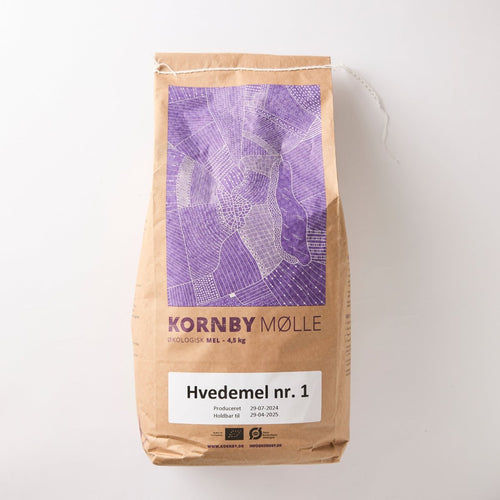
  • 1000 g wheat flour, Kornby Mølle Wheat Nr. 1
  • 100 g sugar
  • 200 g water
  • 300 g whole milk
  • 65 g sourdough starter
  • 10 g yeast
  • 1 small egg
  • 25 g salt

For laminating

  • 500 g butter

Method

Tap a step when it is done.

  1. Mix the flour and sugar in a large bowl. Add the water, milk, sourdough starter, yeast and egg, and knead until the dough is smooth and elastic. Add the salt last.

  2. Cover the dough and let it rest at room temperature for 1 to 2 hours, until it has nearly doubled.

Laminating

  1. Roll the dough into a rectangle and place the butter in the centre. Fold the dough over the butter and roll it out again.

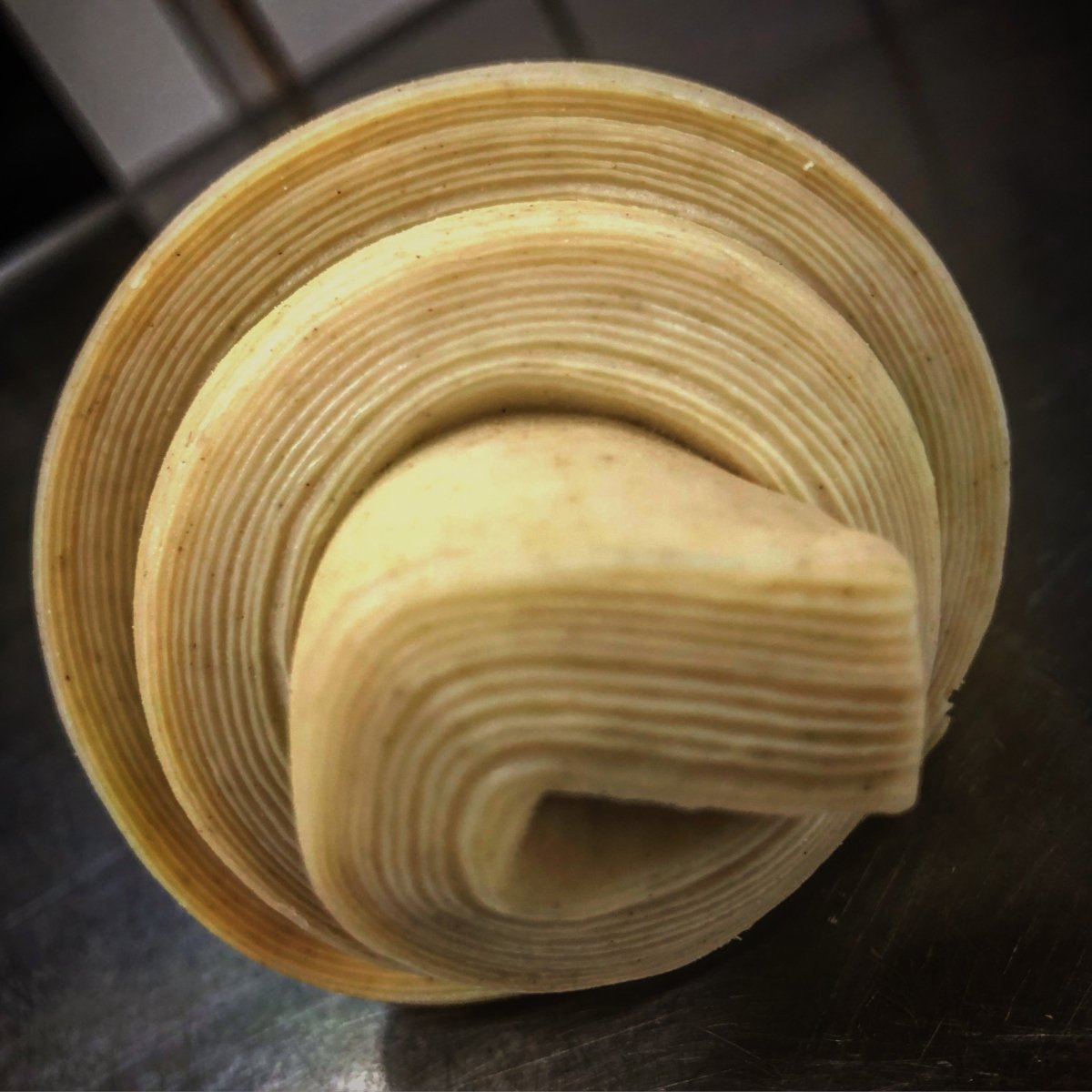
  2. Repeat the folding and rolling several times. The layers are what make the croissants flaky.

Shaping and baking

  1. Cut the dough into triangles and roll them into croissants. Place them on a baking sheet and let them rise at room temperature for 1 to 2 hours, until visibly puffed.

  2. Preheat the oven to 200°C fan or 220°C conventional. Brush the croissants with milk or beaten egg, and bake for 15 to 20 minutes until golden and crisp.

You can follow every step in our video on YouTube.

Questions and answers

Why does the butter melt out in the oven?

Usually because the croissants proofed too warm, or did not proof enough. Proof them at no more than 24 to 26°C, so the butter does not soften and run out of the layers. When they are ready, they should be clearly risen and wobble a little when you shake the tray. Bake them in a well preheated oven, so the layers set at once.

Can the croissants stay in the fridge overnight?

Yes. Shape the croissants in the evening, cover them and put them in the fridge. Take them out in the morning and let them proof at room temperature until clearly risen, usually 2 to 3 hours, before you bake them.

Can I use sourdough instead of yeast?

Yes, but it takes much longer. Replace the yeast with about 100 to 150 g of extra active starter, and expect the final proof to take 4 to 8 hours. The croissants get a little more sour and slightly denser.

Is the recipe available in English?

Yes. Switch the language at the top of the page, or go to simpelsurdej.com.

What we use

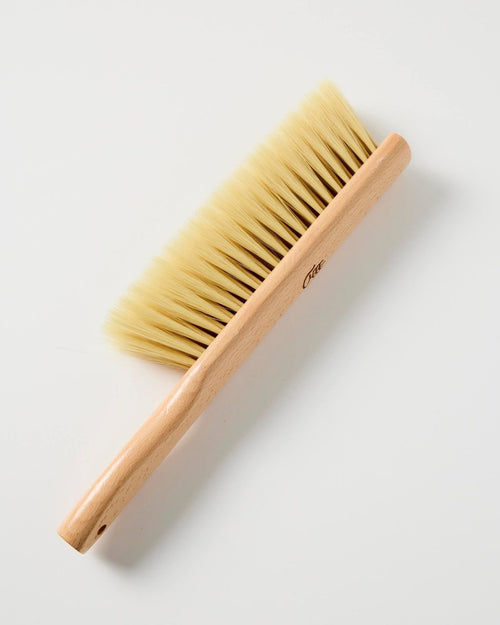
Flour Bench Brush Flour Bench Brush 179.00 DKK
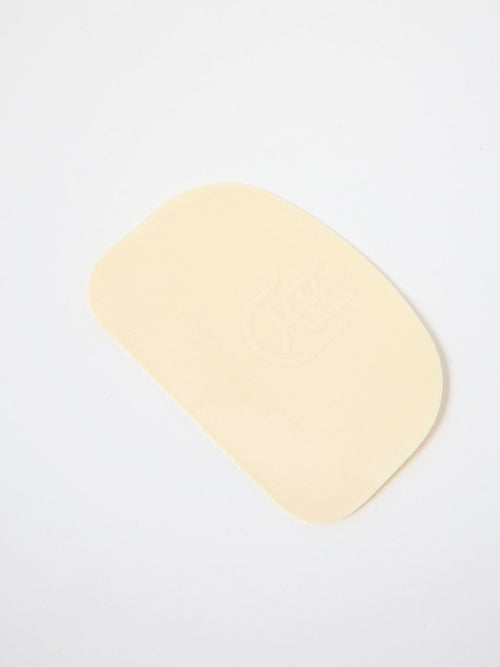
Dough Scraper Dough Scraper 25.00 DKK

Croissants are a classic French pastry renowned for their flaky, layered texture and rich flavor. Adding sourdough to the recipe enhances the taste with a deeper, more complex profile while also incorporating a natural fermentation process.

This recipe merges the traditional buttery croissant dough with the distinctive tang of sourdough. Below, you’ll find a detailed recipe and step-by-step instructions so you can bake your own delicious sourdough croissants at home.


Watch the video on YouTube


Conclusion

Making sourdough croissants takes a bit of time and patience, but the results are well worth the effort. The sourdough adds a subtle tang that complements the buttery layers, creating a truly unique pastry. Follow these steps carefully, and you’ll enjoy croissants with an irresistible balance of crispiness, tenderness, and a touch of sourdough complexity. Perfect for a weekend treat or an impressive dessert to share with guests.

For a more visual guide to each step, check out our selected tutorial videos on YouTube.
 

10 comments

    • Maria Vinberg Andersen
    • February 17, 2025 at 7:07 am

    Tak for jer, jeg er blevet bidt af surdej. Jeg har forsøgt mig med croissanter, men hvorfor smelter smørret i ovenen, så croissanterne bager i en pøl af smør?
    Mvh Maria

    • Istekhar shekh
    • February 17, 2025 at 7:07 am

    Superb quality

    • Istekhar shekh
    • February 17, 2025 at 7:07 am

    Superb

    • Anders Svensson
    • February 17, 2025 at 7:07 am

    Cred! Suverän tutorial! :)

    • Diana Hertzler
    • September 29, 2026 at 2:06 pm

    May active sourdough culture replace the 10g yeast? 100gm or more? Thanks for your videos and recipes.

Leave a comment

This site is protected by hCaptcha and the hCaptcha Privacy Policy and Terms of Service apply.

Seneste nyheder

View all

Do You Need a Proofing Basket? (And Which One to Choose)

Do You Need a Proofing Basket? (And Which One to Choose)

When you start baking sourdough, you can get away with a bowl lined with a floured cloth. But once you've used a proper proofing basket, a banneton, it's hard to go back. In short First basketRound OvalFor batards and sandwich...

Read moreabout Do You Need a Proofing Basket? (And Which One to Choose)

What's the Best Knife for Sourdough Bread?

What's the Best Knife for Sourdough Bread?

You've baked the perfect sourdough loaf. Crunchy crust, open crumb, smells incredible. And then you try to cut it with the wrong knife, and it squashes flat. In short LengthAt least 25 cm BladeDeep serrations WaitAt least 1 hour after...

Read moreabout What's the Best Knife for Sourdough Bread?

What is Autolyse? The Simple Technique That Changes Everything

What is Autolyse? The Simple Technique That Changes Everything

If you've been baking sourdough for a while, you've probably come across the word autolyse. It sounds like something from a chemistry textbook. It isn't. It's one of the simplest, most impactful things you can do in bread baking, and...

Read moreabout What is Autolyse? The Simple Technique That Changes Everything